

Nets are spread across rocks to dry, weighed down with stones. Voices travel easily across the water, carried by a breeze that smells of fuel, fish, and the open sea. For generations, these rhythms have shaped coastal life; the ocean has been a teacher, provider and an archive. However, these patterns are starting to change.
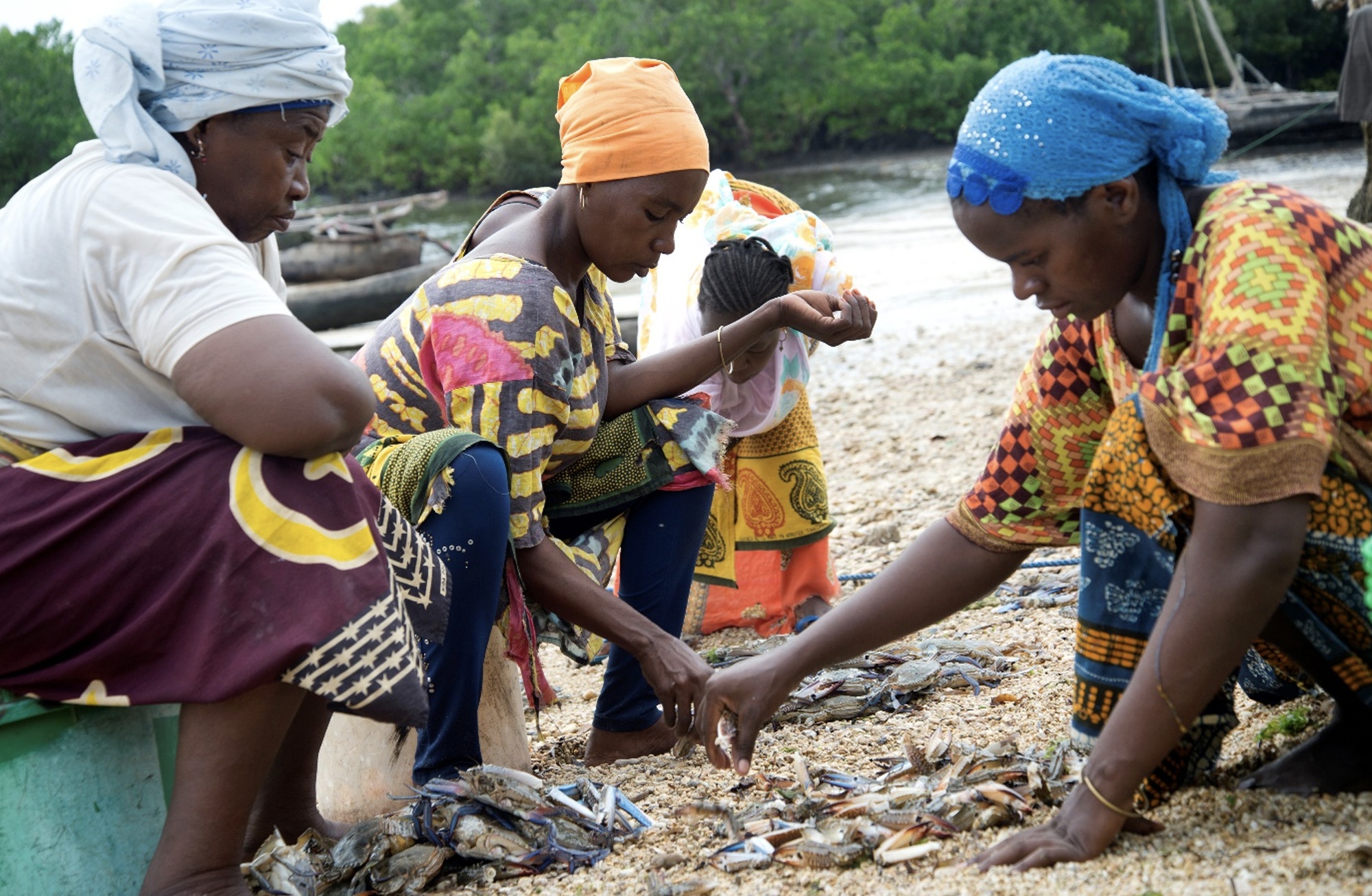
Along much of the East African coast, climate change is no longer an abstract future. It arrives through warmer waters, shifting currents and reefs that no longer glow with life. Fish appear later in the season or not at all, while storms arrive out of rhythm and shorelines retreat by small but steady steps. For centuries, this coast has been part of a wider Indian Ocean world. Ports such as Mombasa and Zanzibar were never isolated; they were connected by monsoon winds to Mocha and Aden in Yemen, and further east to Gujarat and Bombay in India. These sea routes carried spices, coffee, textiles, people, and stories, contributing to coastal community culture.
Today, climate change unsettles this long maritime continuity. Rising sea levels threaten port neighbourhoods built close to the water, while stronger storms disrupt shipping rhythms that once followed predictable seasonal winds. Coral bleaching weakens reefs that historically supported fishing economies tied into regional trade networks. Listening becomes a crucial practice. One dockworker describes how the sea sounds different now during certain months. The waves strike the harbour walls with unfamiliar force. The wind shifts suddenly. These sensory changes form another kind of climate archive.
For coastal communities, knowledge of the sea has always been both practical and cultural. Fishing routes are learned alongside stories. Tides are remembered through poetry, prayer, and repetition. This is intangible ocean heritage, shaped by generations of experience, carried in memory, and transmitted through daily life. Elders recall years when the sea was generous and years when it was not, but many now describe a new unpredictability, one that resists inherited patterns.
Climate change disrupts not only ecosystems, but the transmission of maritime memory itself. In Zanzibar, a fisherman describes how his father taught him to read the water by colour and movement. A certain shade of blue once meant abundance; a certain current meant it was time to return.
Now, he says, the signs contradict each other. The water is warmer, and the fish move differently. Each morning becomes an experiment rather than a continuation; knowledge must be relearned again and again.
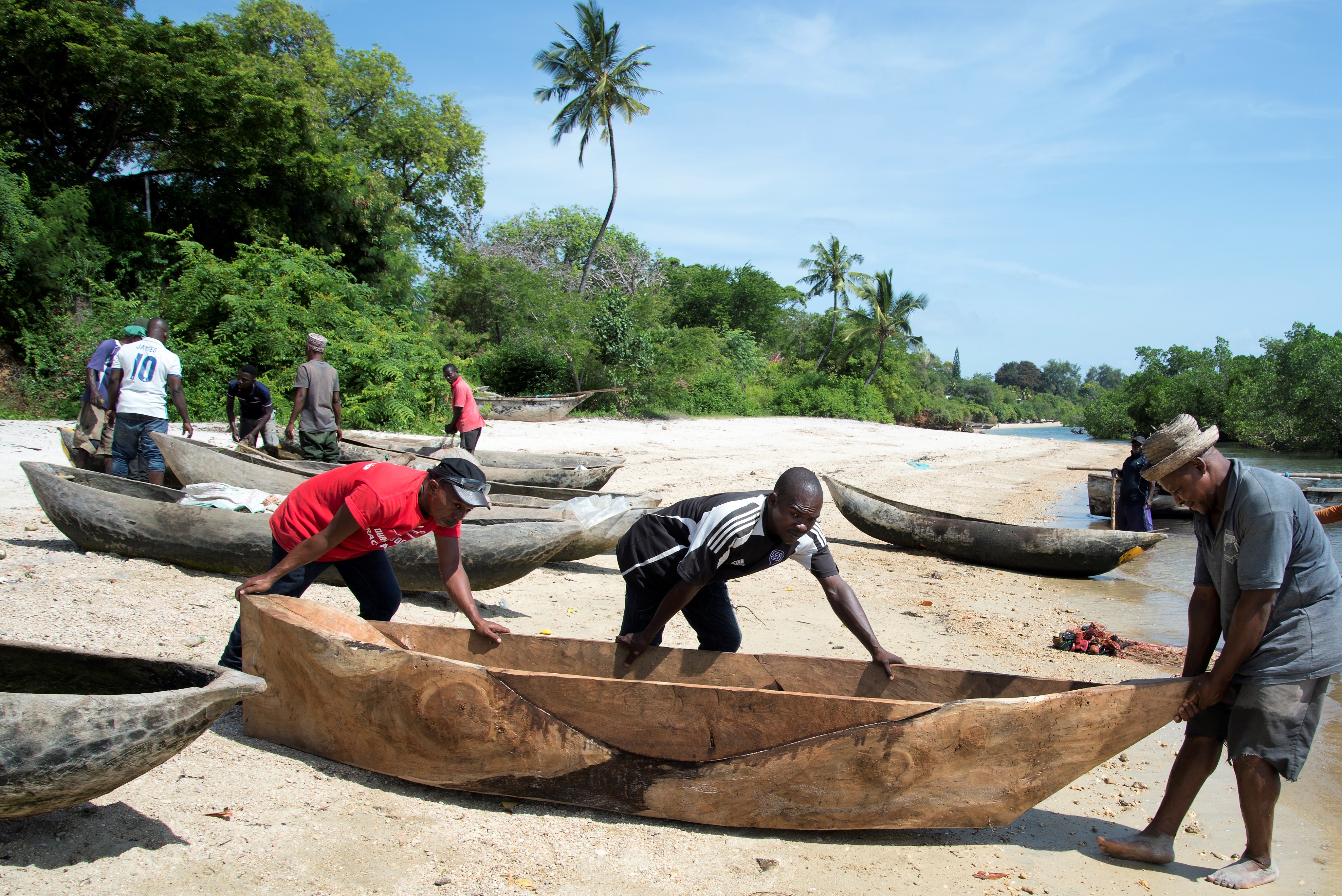
Seen through the lens of the Blue Humanities, the ocean is more than a backdrop to human history. It is an active presence, shaping labour, language, imagination and belonging. East Africa’s ports have long functioned as cultural contact zones, where African, Arab, and South Asian worlds met through the sea. Mocha’s coffee routes once linked Yemeni highlands to Swahili markets. Gujarati merchants left linguistic and architectural traces along the coast. Bombay was part of the same oceanic system, connected by monsoon timing rather than political borders. Climate change threatens these layered histories of cultural heritage by altering the physical conditions that sustained them. Rising tides erode not only shorelines but sites of memory: old docks, cemeteries, mosques, and markets built with the assumption that the sea would remain at a respectful distance. Mangroves, which once protected ports and villages from erosion, are lost to warming waters and coastal development.
Yet the coast is not only a site of loss, but a place of adaptation. Fishers adjust their routines, setting out earlier or traveling farther. In some areas, communities revive mangrove planting, drawing on older practices of coastal care. Informal agreements emerge about net sizes, fishing seasons, and shared access to shrinking resources. These responses are rarely framed as “climate action,” but they are sustainability in practice and are grounded in lived experience. Sustainability, from this perspective, cannot be separated from labour, mobility, and social justice. The sea is not an external resource to be managed from afar; it flows through work, memory, and identity. This understanding challenges extractive approaches that treat the ocean as empty space or endless supply. Instead, it emphasises care, reciprocity, and long attention.
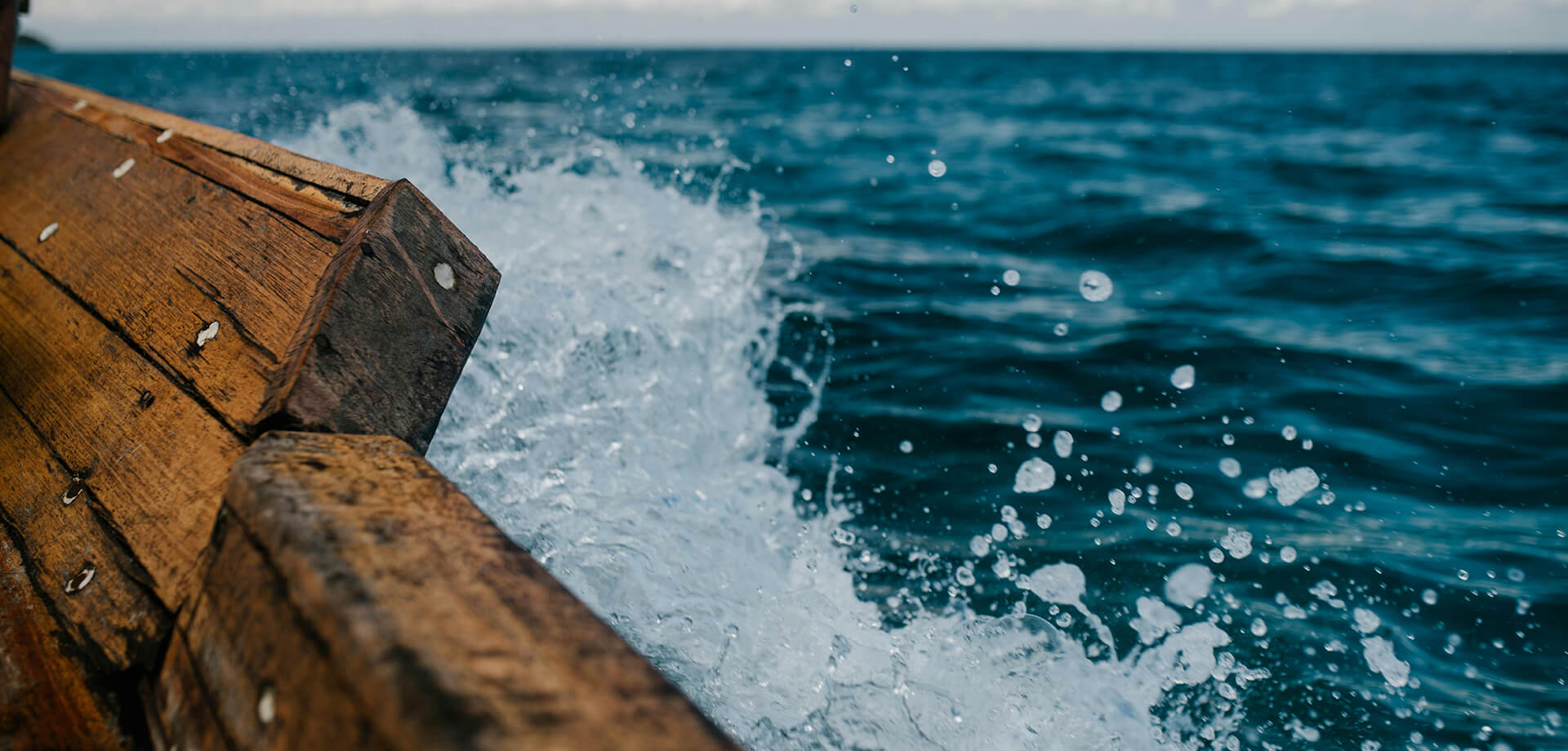
East African coastal communities have always lived with environmental uncertainty. Monsoons, droughts, and changing currents are part of a long memory. What distinguishes the present moment is the speed and scale of change. Climate change compresses time, forcing adaptation within a single generation.
Elders speak of knowledge becoming obsolete faster than it can be passed on while young people grow up navigating a sea that behaves unlike the one described in inherited stories. Storytelling helps make sense of this uncertainty.
Songs, proverbs, and everyday conversations carry environmental knowledge across generations. As conditions shift, stories shift too. New cautionary tales emerge about storms that arrived without warning or seasons that no longer align. In this way, culture becomes a living record of climate change.

As the sun rises higher, boats push out toward the horizon, following routes shaped by both history and improvisation. The Indian Ocean remains vast, powerful, and indifferent to human plans. Yet along the East African coast, people continue to meet it with attentiveness and care. In their daily negotiations with water, wind, and uncertainty lies a quieter climate story, one that connects ports from Mombasa to Mocha, from Zanzibar to Gujarat, and reminds us that sustainability begins not in abstraction, but in listening to the sea. Ocean literacy, the recognition that the ocean and human life are in constant relationship, each shaping and being shaped by the other, asks us to recognise the value of these traditions and to ensure that knowledge shaped by place continues to guide how we live with the ocean as it changes. Understanding these coastal experiences reminds us that the ocean shapes human life, just as human choices shape the ocean’s future.