
Like many researchers trained in Western contexts, I thought about the sea in terms of what it could offer—its resources, its economic potential, and how it might be sustainably managed through policy and governance. The project I was putting together, the Rising from the Depths network, aimed to explore how marine cultural heritage could generate social, economic and cultural benefits for coastal communities. Through funding locally led research projects, the network hoped to demonstrate how knowledge and data from the past could help coastal societies respond to the challenges posed by infrastructural development, climate change, and the growing pressures on the ocean that sustain coastal livelihoods. But as we began to co-create research themes with local communities, it became clear that this framing did not fully encompass the potential of how these coastal groups understand the sea.

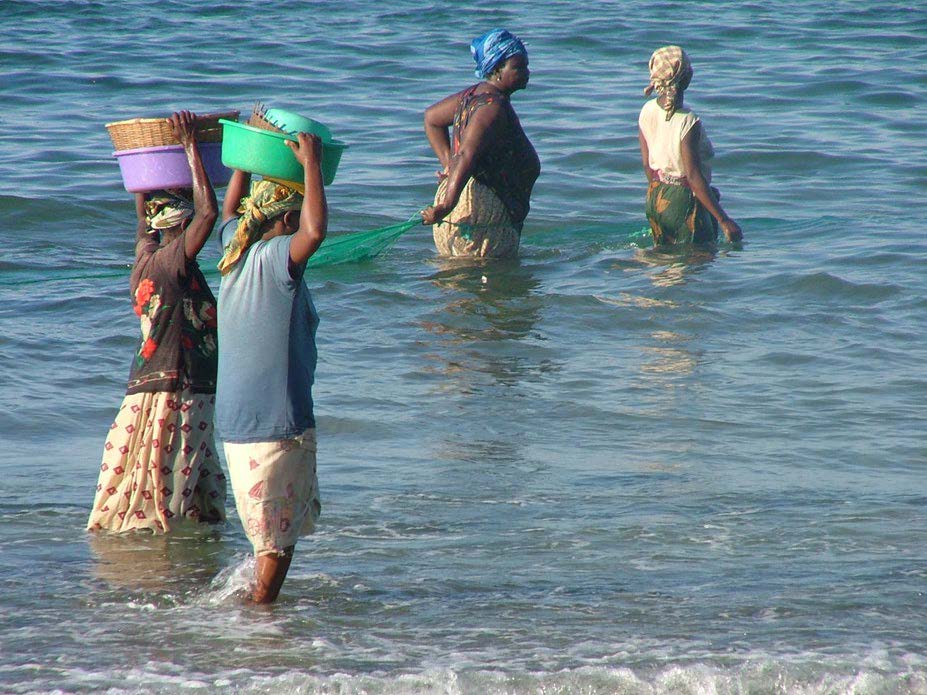
Here, the ocean is not simply a resource to be managed. It is a lived environment—cultural, experiential, and deeply historical—shaping identities, relationships and ways of life. From the Mijikenda peoples of Kenya to the Makua and Mwani of northern Mozambique, coastal societies have all developed distinctive ways of living with the sea while sharing elements of a broader Swahili maritime world. The daily lives of these groups – fishing at dawn, tending mangroves, building boats, telling stories of taboos, storms and currents—reflect a deep knowledge of coastal environments and marine resources. Much of this knowledge is rarely written down, yet it forms a crucial foundation for understanding how people interact with the ocean.
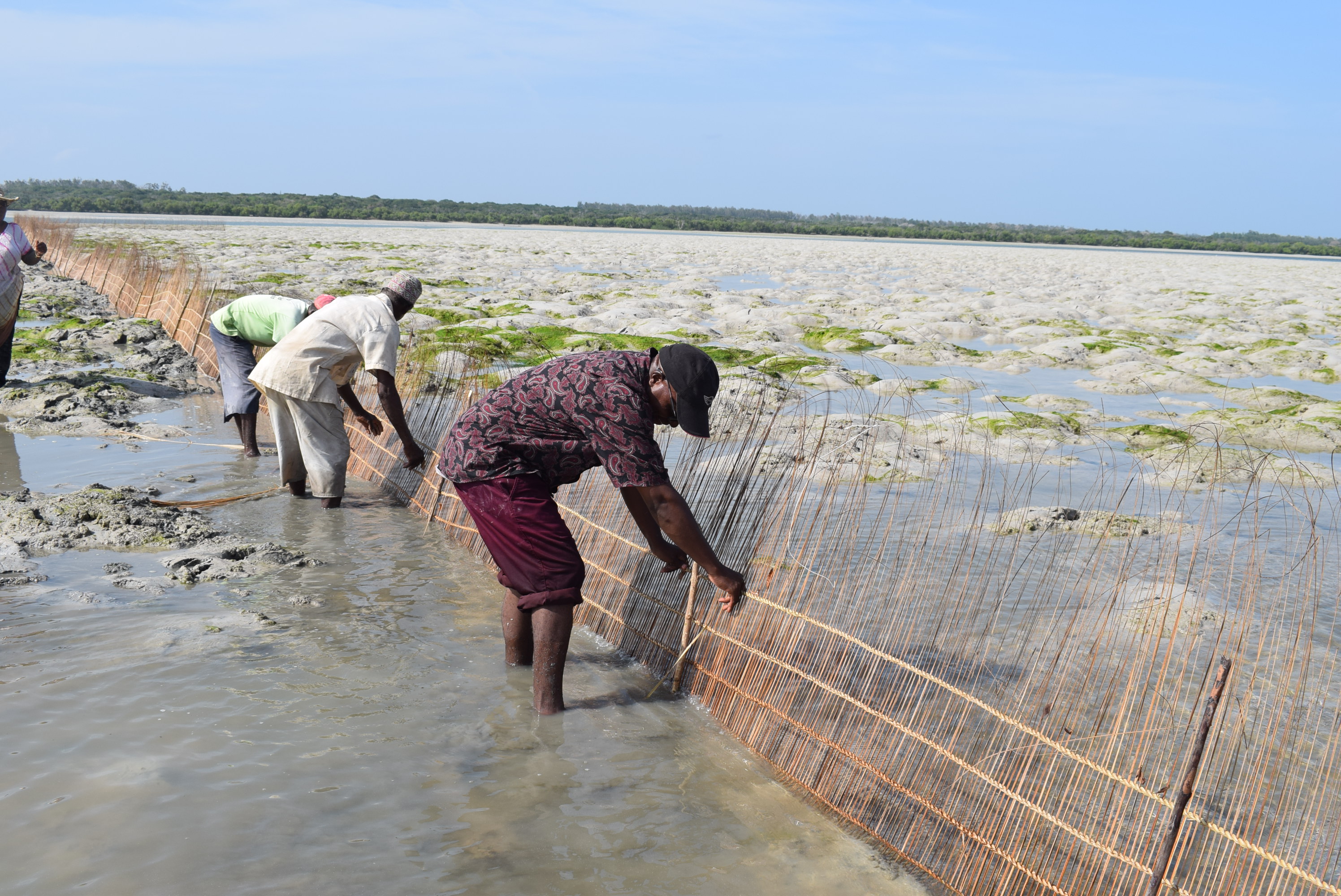
This realisation changed how I understood ocean literacy. In many Global North contexts, ocean literacy is something that needs to be taught—through education, awareness campaigns and policy initiatives—often in response to a broader disconnection from the sea. Along the Swahili Coast, however, knowledge of the ocean has long been embedded in everyday life. It is learned through fishing, navigation, storytelling, craft traditions, local taboos and beliefs, and passed on through generations of lived experience. It is practical. It is lived.
Rather than thinking solely about past knowledge, it became clear that fully considering current practices based on the past – essentially living heritage – was key to designing and developing effective projects that could bring real benefits to communities.


Using co-designed conceptions of marine heritage as a common thread, 27 projects were funded that respected the diverse ways in which coastal communities already knew and lived with the sea.
There were many opportunities to use and learn from local perspectives. Projects documented local heritage knowledge, working closely with fishing communities to record practices passed down through generations. Fishers described seasonal patterns in fish migration, sacred coastal sites, and the locations of fishing grounds that have been used for decades.Mapping these places revealed that cultural knowledge often corresponds closely with ecological realities. Areas recognised by communities as important for fishing or ritual were frequently those with rich biodiversity or fragile habitats.
By recording these practices and sharing them with policymakers, we began to see how heritage data and traditional knowledge can inform modern approaches to fisheries management and marine conservation.
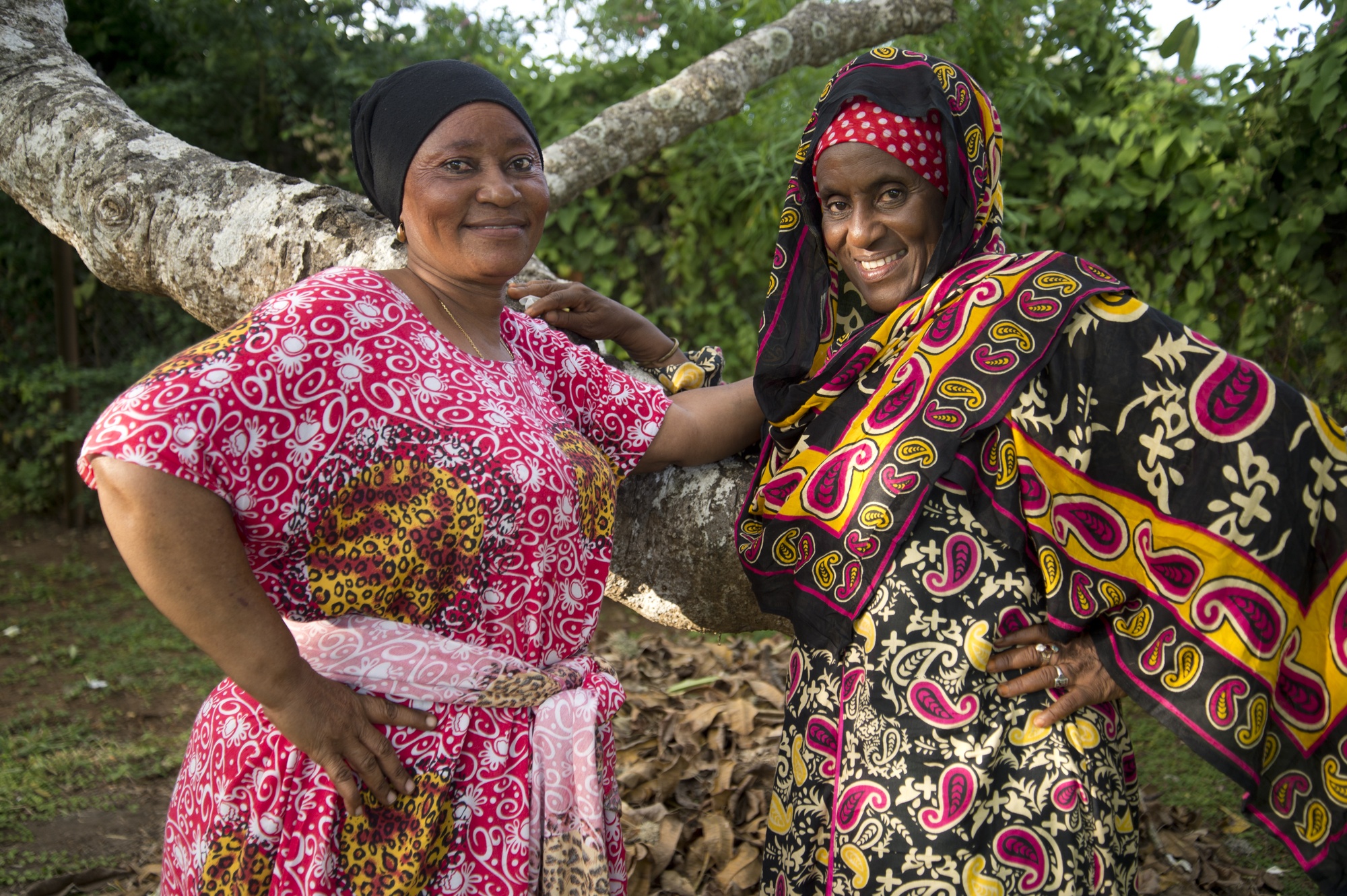
At Mida Creek on the Kenyan coast, local communities worked together to document historic sites, fishing practices and mangrove ecosystems within the creek’s landscape. Women’s groups played a leading role, using this documentation work to establish mangrove nurseries and develop ecotourism activities including building a restaurant based on local recipes and offering canoe tours to local and international tourists. What stood out was how closely cultural knowledge and environmental stewardship could be intertwined. Efforts to restore degraded mangrove forests were informed by long-standing understandings of their role in protecting coastlines and supporting livelihoods. At the same time, developing heritage-based tourism created new sources of income while reinforcing the importance of protecting the ecosystem of the creek. Here ocean literacy flows in both directions—rooted in community knowledge and strengthened through research, documentation and shared practice.
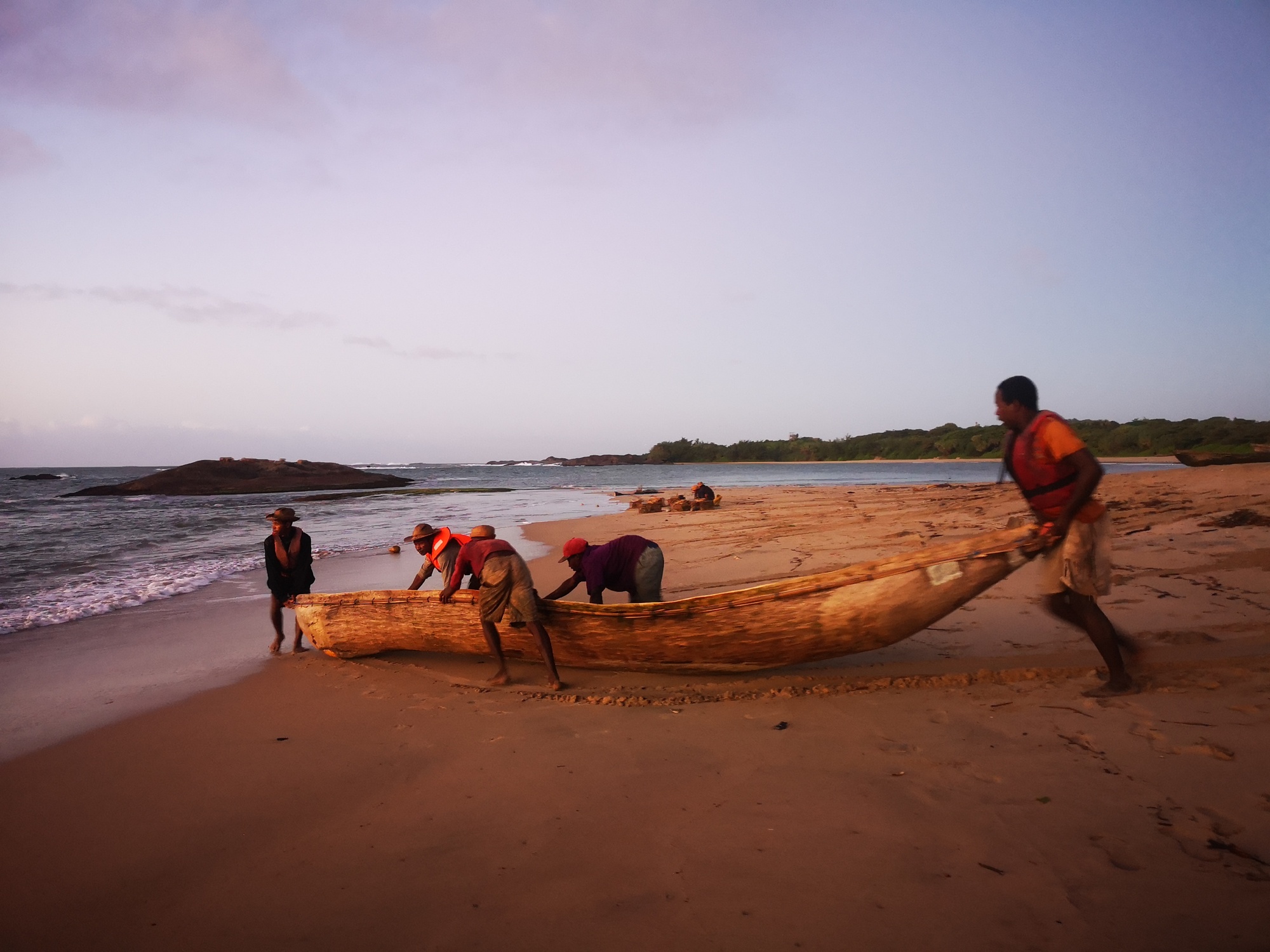
Elsewhere on the Kenyan coast, projects explored how storytelling can communicate ocean knowledge across generations. In Bamburi Beach near Mombasa, the Coastal Aural Archive of Spaces and Time (CoaAst) project invited schoolchildren to record the memories of elders in their community. Armed with audio recorders, the children collected stories about fishing traditions, coastal landscapes and the changes residents had witnessed along the shoreline. The recordings were later transformed into a digital archive and public exhibition, allowing communities to hear how their coast has evolved over time. For the young participants, the project became a powerful introduction to their maritime heritage and to the environmental challenges facing their home.
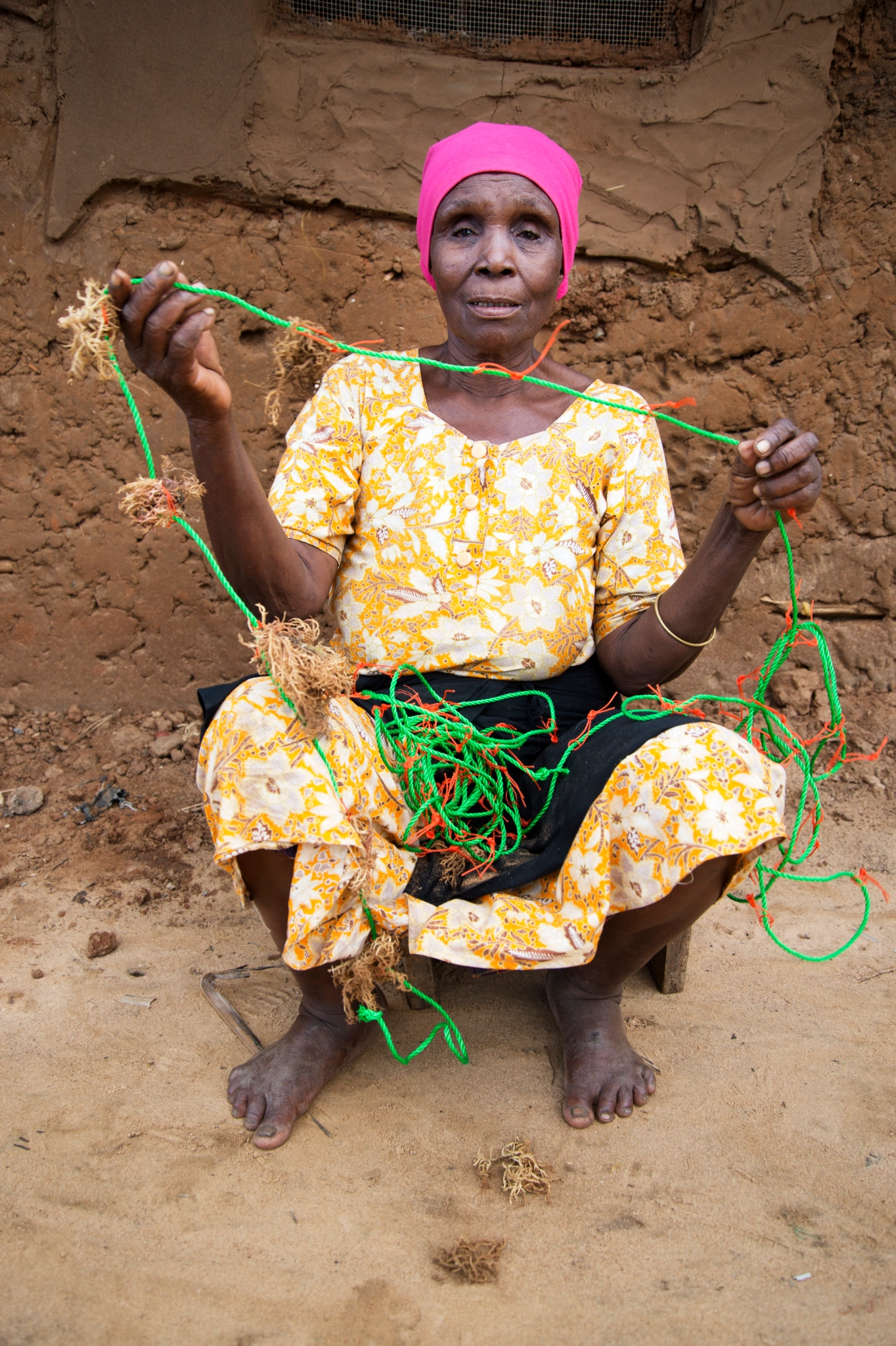
Other initiatives focused on traditional technologies and crafts. The project Palm, Sand and Fish: Traditional Technologies of the Daughters of the Azanian Coast worked with women’s groups to document skills such as basket weaving, pottery and the production of fishing equipment. These crafts rely on detailed knowledge of coastal materials and ecosystems and are often passed down through generations. In workshops bringing together elders and younger participants, these traditions were shared and revitalised, highlighting how practical skills can carry deep environmental knowledge about the sea and coast.
In Kilifi County, a project developing a Biocultural Community Protocol documented customary rules governing access to fishing grounds, sacred coastal sites and marine resources. By recording these practices, communities gained tools to participate more effectively in conversations with governments, developers and conservation organisations about the future of their coastal environments. The work highlighted that governance should not be simply a matter of policy, imposed from above. But rather to be effective it must recognise the knowledge systems that already exist within coastal communities.
Across all of these initiatives, I learned a valuable lesson. Understanding the ocean requires a full appreciation of the cultural relationships that coastal communities have with it. Ocean Literacy is not only taught through science or policy, but lived through the knowledge, practices and traditions of coastal communities.
Recognising this has important implications. When the sea is viewed primarily as a resource, responses tend to focus on regulation, extraction and economic value.
But when the ocean is understood as part of lived experience—shaping identity, belief, memory and belonging—it becomes clear that local knowledge must play a central role in developing sustainable solutions.
Without this, development initiatives risk overlooking the relationships that sustain both communities and ecosystems.
As coastal regions across East Africa, and the Western Indian Ocean as a whole, face growing pressures—from climate change and coastal erosion to industrial development and declining fisheries—the need for more inclusive approaches to ocean stewardship has never been greater.
By bringing heritage, traditional knowledge and community voices into conversations about the future of the ocean, initiatives like Rising from the Depths show not only how marine heritage can support coastal communities, but how much we still have to learn from those who have never lost their connection to the sea.