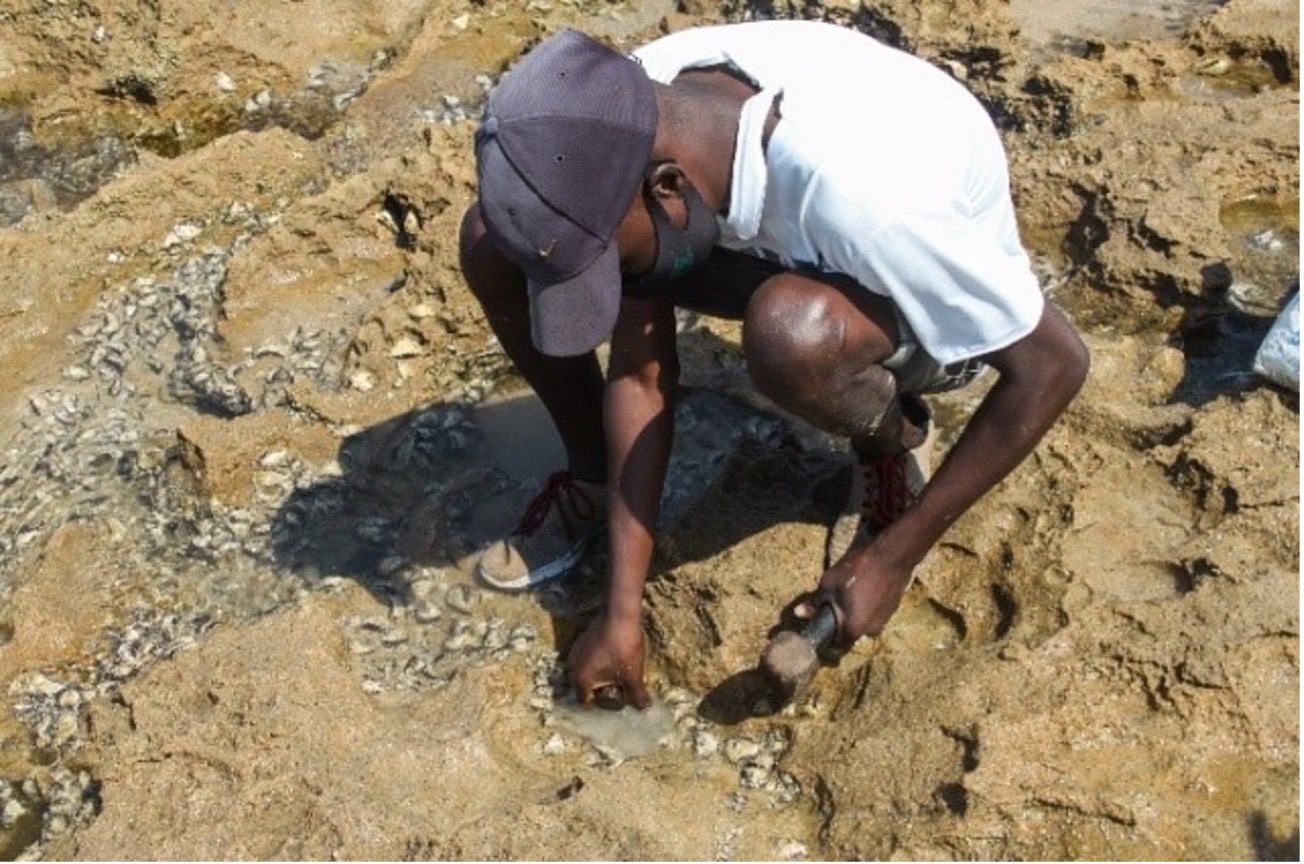

Shipwrecks, anchors, and fragments of trade remain scattered across the seabed, carrying traces of centuries of movement across the Indian Ocean. These histories are present, but rarely visible. For most people, they remain out of reach.
Yet the sea is not silent. Its histories are carried in other ways, through sound, memory, and the everyday lives of those who work along the shore. This article follows these voices through a series of lessons, stories, and reflections gathered from coastal communities, exploring how underwater cultural heritage is understood and remembered in practice. Drawing on sustained ethnographic engagement on the Island of Mozambique and in coastal Districts of Chongoene and Xai-Xai, in the Gaza Province of Southern Mozambique, the reflections shared here emerge from extended fieldwork and recorded conversations with coastal communities, forming part of a broader research project on underwater cultural heritage and community knowledge in Mozambique. It shows how knowledge of the sea is held not only in objects, but in lived experience, in conversation, and in the ways people learn to move with the water. These perspectives matter because they offer ways of understanding and engaging with underwater heritage that do not rely on direct access to submerged sites.
To understand this heritage, it is necessary to listen. The sea is constantly in motion, and so are the ways people relate to it. Waves break along the shore, boats move with the tide, voices travel across the water. These sounds form part of a wider experience through which knowledge is shared and remembered.
Over time, people come to know the sea through repeated contact. They learn how the wind shifts, how tides change, and how species appear and disappear with the seasons. This knowledge is shaped through practice and carried through conversation, observation, and memory. In this sense, heritage does not exist only in what can be seen. It also exists in what is heard, remembered, and retold. We use the idea of the Sea Voice to bring these elements together, drawing attention to the ways sound, experience, and understanding remain closely connected. It also reflects a form of ocean literacy that develops through everyday interaction, where people learn to read the sea in order to live with it. In this way, underwater cultural heritage is not only something that lies beneath the sea, but something that continues to be lived and understood above it.
Conversations with the Sea: Chongoene and Xai-Xai
The material presented here is drawn from extended ethnographic work with coastal communities in Chongoene and Xai-Xai. Over time, researchers spent time with fishers, shell collectors, and community elders, listening to how they describe their relationship with the sea. These were ongoing conversations that took place within the flow of daily life, as boats were prepared, catches were landed, and people gathered along the shore. These conversations were built over time through repeated visits and shared moments along the shoreline, where trust and familiarity allowed knowledge to be shared openly.
Many of these exchanges were recorded as oral testimonies and later translated from local languages, retaining the cadence and structure of how knowledge is spoken and shared. What emerges is not a single narrative, but a set of interwoven accounts, shaped by experience and grounded in practice. The voices presented here are primarily those of fishers, whose reflections offer insight into how the sea is understood across different dimensions of life.
Some reflections centre on observation and timing. At dawn, fishers watch the water closely, reading the tides and the movement of the wind. Decisions about when to go out are made carefully, guided by what the sea reveals. This knowledge is learned over time and shared across generations, forming a key part of how people understand and navigate their environment.
Elsewhere, fishers describe the rhythm of fishing. Boats leave early and return by mid-afternoon, bringing back what the sea has offered that day. The catch is distributed through the community, sold along the shore or carried to markets and restaurants. These exchanges connect the sea to everyday life, linking it directly to households and livelihoods.
There are also reflections on limits and responsibility. Certain species are left untouched, recognised as needing protection, while others cannot be taken during particular seasons. During these times, fishers adapt their practices, turning to different species or changing their routines. These responses reflect a practical understanding of ecological balance, developed through long-term interaction with the sea.
Risk is another recurring theme. Fishers describe how quickly conditions can change, how calm waters can become difficult, and how hidden dangers such as submerged rocks can damage boats. Encounters with large marine animals add further uncertainty. These experiences shape how people approach the sea, reinforcing the need for awareness and caution.
Alongside these accounts are stories that speak to less visible dimensions of the relationship. For traditional healers, the sea is a place of connection with ancestral forces. Rituals are performed to seek guidance, protection, and healing, drawing on knowledge that is passed through generations. These practices reflect an understanding of the sea as a space that carries meaning beyond what can be seen.

This sense of connection extends into family life. Food is prepared and shared as part of ritual practices, then returned to the sea in acts that maintain relationships between the living and the departed. These gestures are quiet but significant, reinforcing the role of the sea as a place where memory and connection are sustained.
Even in more structured fishing operations, these understandings remain present. Before setting out, certain actions are taken to ensure safety and success. These practices reflect a continued awareness of the sea as something that cannot be controlled, only approached with care and respect.
Taken together, these lessons, stories, and reflections show that the sea is experienced in multiple ways. It provides, it challenges, and it connects. Through ongoing interaction, people continue to build and share knowledge that is both practical and cultural, keeping these relationships alive.
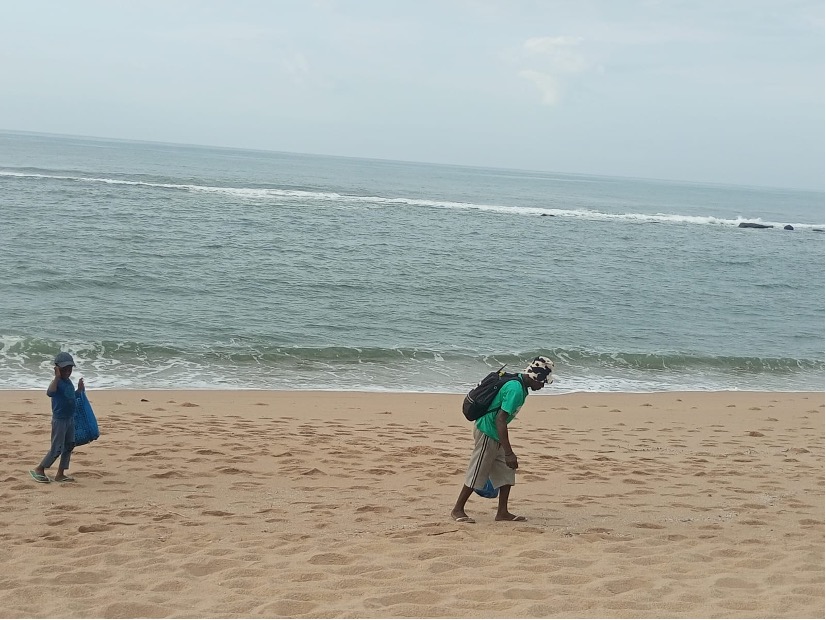
The accounts presented here show that underwater cultural heritage cannot be understood only through what lies beneath the water. The sea holds material traces of the past, but it also carries memory through sound, practice, and lived experience. These forms of knowledge remain active within coastal communities, shaping how the sea is understood and engaged with each day.
In Chongoene and Xai-Xai, the sea is present across different aspects of life, from work and risk to belief and memory. The knowledge that emerges from these experiences reflects both intangible cultural heritage and a form of ocean literacy grounded in observation and practice. It connects people to their environment and to their history in ways that are continuous and evolving.
Listening to these voices offers a way of approaching heritage that is both grounded and inclusive. It allows for engagement with places that are not always visible, while recognising the importance of those who hold and share this knowledge. As coastal environments continue to change, these relationships become increasingly significant. Safeguarding the Sea Voice means recognising that heritage lives not only in objects, but in the ways people continue to understand, interpret, and live with the sea. The sea holds these voices, and through them, it continues to speak.