

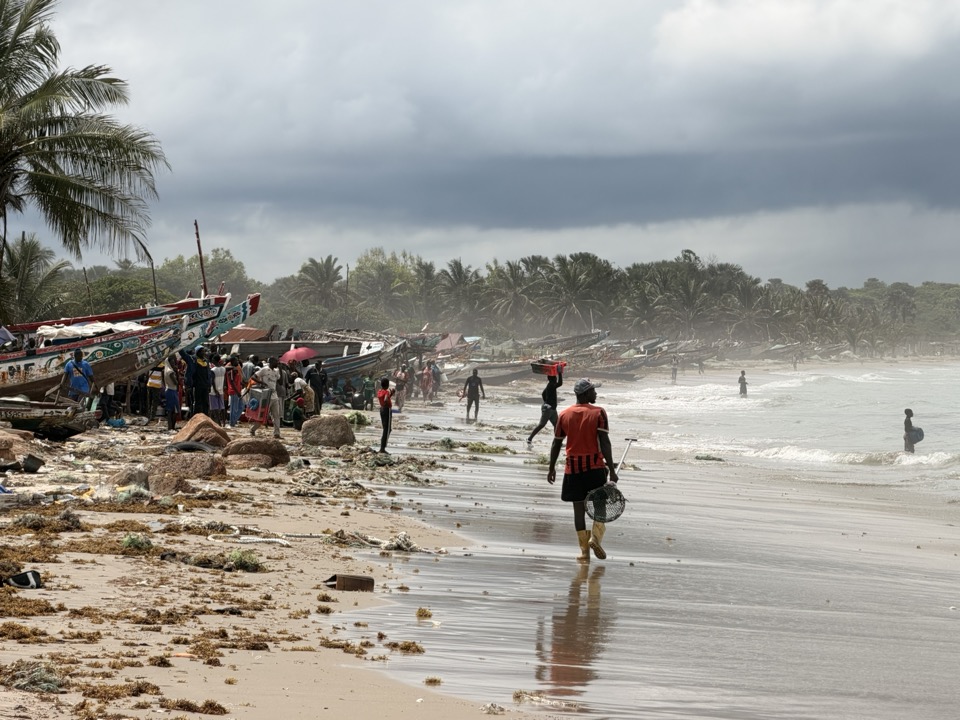
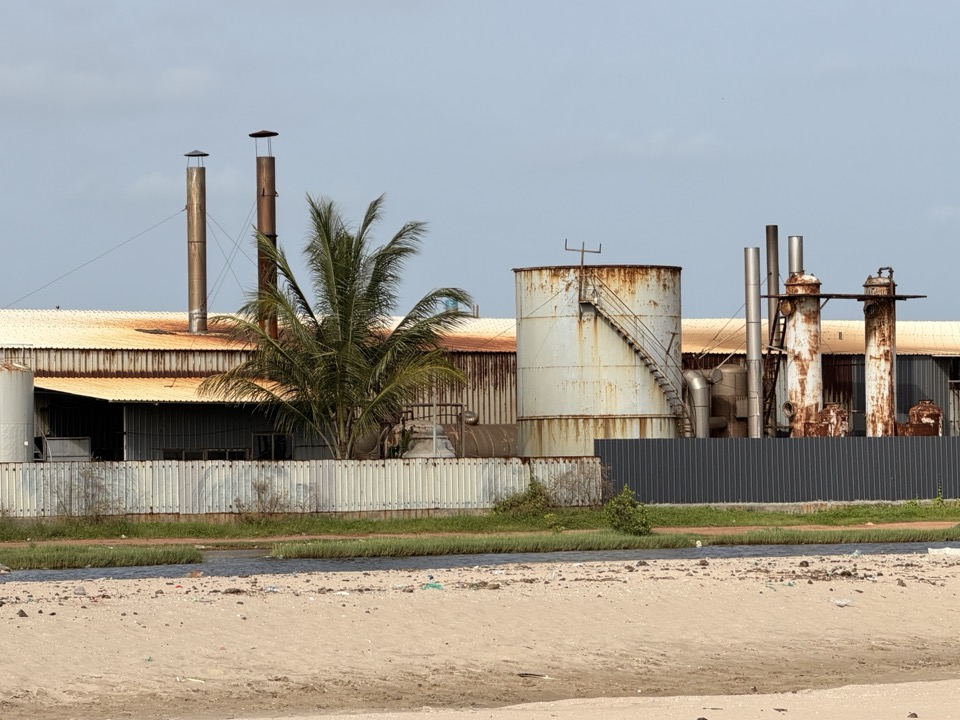
Before I knew what overfishing or fishmeal were, I knew the smell of grilled fish drifting through our neighbourhood in The Gambia. Living on the coast, eating grilled fish is one great memory of every child. It is a way of life, a source of dignity, and the foundation of food security for thousands of families. But for the last decade, something has changed. Fishers who venture into the Atlantic before dawn return with catches that are not enough to feed us. Communities, local markets, and livelihoods are disappearing. At the centre of this crisis is the growing fishmeal and fish oil industry.
Every day, fishmeal and fish oil are produced by processing large quantities of small pelagic fish, species such as bonga, sardinella, and round herring, that have long formed the backbone of local diets across West Africa. These fish are increasingly being diverted into industrial production for export markets, where they are used to feed farmed fish, poultry, and livestock.
For many Gambians, the question is becoming impossible to ignore: should fish that once fed local families now feed fish and animals in Asia, Africa and Europe?
As an investigative journalist and researcher reporting on illegal fishing, the fishmeal industry, and ocean conservation across West Africa, I have spent years investigating this question, witnessing and documenting the changes unfolding along our coastline. This work has come with a personal cost... I have faced threats, intimidation, forced exile, and the loss of relationships within my own community. But I will continue, because these stories matter.
This ongoing story is not only about fish. It is about people. It is about livelihoods, food security, culture, and the future of entire communities.
In fishing villages such as Gunjur, Sanyang, Kartong, and Tanji, elders often speak of a time when fish was plentiful and affordable. Fishers could return from relatively short trips with enough catch to support their families and supply local markets. Women processors and fish traders played a critical role in ensuring fish reached communities across the country.
Today, many describe a different reality.
Fishers increasingly report traveling farther offshore and spending longer hours at sea while bringing back smaller catches. Rising operational costs, competition for resources, and concerns over declining fish stocks have created growing uncertainty for households that depend on fishing. Today, the locals are not eating fish anymore, they can't afford it, many turn to frozen imported chicken as a source of protein - chickens that have been frozen for months and are filled with antibiotics.
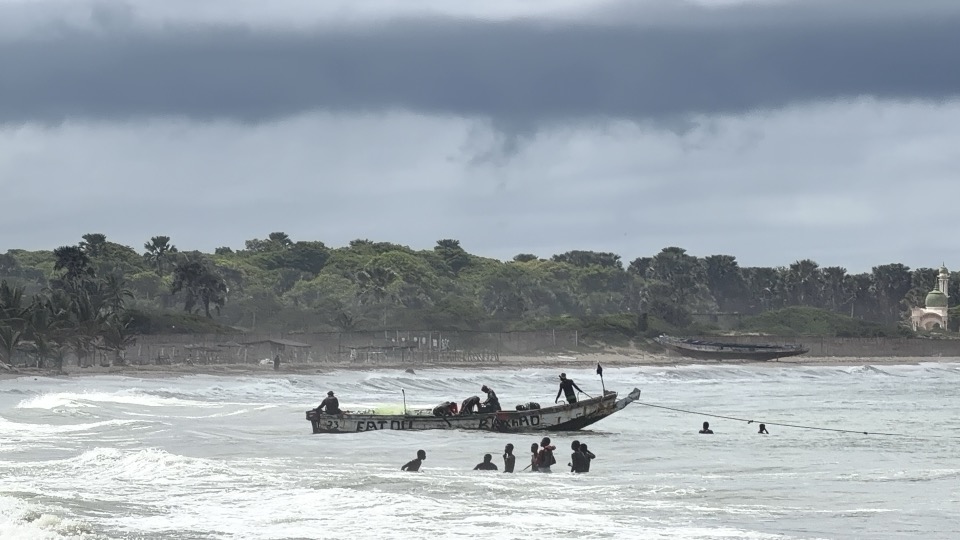
Yet perhaps the most overlooked victims of this transformation are the women who form the backbone of the artisanal fisheries sector.
Across coastal communities, women buy fish directly from landing sites, smoke and dry it, transport it to markets, and sell it throughout the country. Their earnings support families, pay school fees, cover healthcare costs, and sustain local economies.
When fishmeal factories purchase large quantities of small pelagic fish, women traders often struggle to compete. They face shortages, higher prices, and declining profits. For many, the impact is immediate and deeply personal.
One woman fish processor told me that there are days when she arrives at the beach only to discover there is little fish available for traditional processing. The fish she depends on for her livelihood has already been purchased in bulk. Her story is echoed by many others who fear that an entire way of life is slowly disappearing.
The consequences extend beyond economics.
Fish remains one of the most affordable and accessible sources of protein in The Gambia. For many households, particularly among low-income families, it is a daily necessity rather than a dietary choice. Any reduction in availability or increase in price directly affects nutrition and food security.
This issue is particularly significant in The Gambia, where fisheries underpin livelihoods, nutrition, and social stability. UNCTAD reports that more than half of the population relies on fish as its primary source of protein, and approximately 200,000 people depend on fishing and fisheries-related activities for their livelihoods.
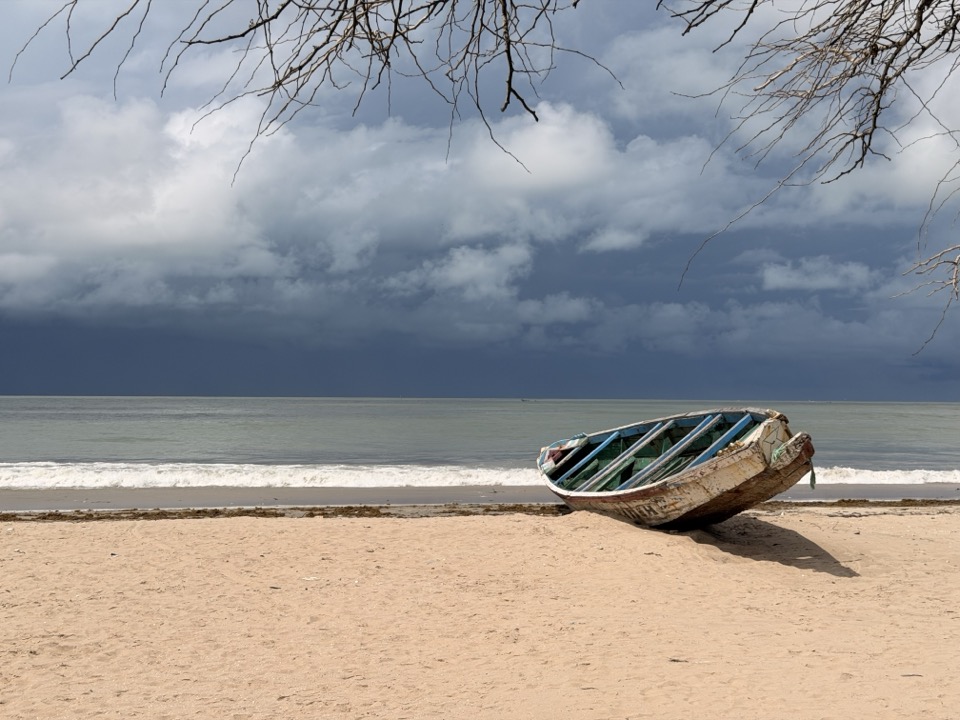
The growing demand for fishmeal has also become part of a larger conversation about youth unemployment and migration. Along the coast, many young people have watched traditional fishing become increasingly difficult and less profitable. While migration decisions are complex and influenced by numerous factors, declining economic opportunities in coastal communities have undoubtedly contributed to feelings of frustration and uncertainty.
Too often, discussions about fishmeal focus exclusively on production figures, investment levels, and export earnings. These metrics matter, but they do not tell the full story.
The true cost of fishmeal cannot be measured solely in economic terms.
It can be seen in the fisher who returns home with an empty net after a long day at sea. It can be seen in the woman processor struggling to secure fish for her business. It can be seen in the family paying more for a basic source of protein. And it can be seen in the young person questioning whether there is a future in the community where they were born. This is not just injustice, this is an attack on the local food security and livelihoods.
Supporters of the fishmeal industry point to employment opportunities and foreign investment. These claims deserve scrutiny. Through months of investigating the sector, reviewing records, and speaking with workers and community members, I found that fishmeal has officially employed no Gambian workers on official contracts. Instead much of the work is carried out through informal, off-the-books arrangements that offer little security, protection, or long-term opportunity. This not the kind of employment the locals need. Development should never come at the expense of food security, environmental sustainability, and community wellbeing.
The challenge facing The Gambia is not whether economic development should occur. The challenge is determining what kind of development serves the interests of its people.
Sustainable fisheries management, stronger monitoring and enforcement, greater transparency, and meaningful community participation must form part of the solution. Local communities should not merely observe decisions being made about their resources; they should have a voice in shaping those decisions.
The ocean has sustained Gambian communities for generations. It has fed families, created livelihoods, and shaped cultures. Its value extends far beyond commercial transactions and export revenues.
As global demand for fishmeal and fish oil continues to grow, The Gambia stands at an important crossroads. The decisions made today will influence not only the future of our fisheries but also the future of the people who depend on them. Having local knowledge and expertise in this discussion makes it more impactful.
Ultimately, the debate about fishmeal and fish oil is not simply an environmental issue. It is a human story about justice, accountability, and whose interests are prioritised when natural resources are exploited; the people living that story deserve to be at the centre of the conversation. As of now, the government has shown little political will, while allowing foreign investment to exploit our marine species, yet the knowledge and participation of the local communities has signalled a breakthrough.
Through this column, I will continue investigating the forces reshaping our coasts, following the evidence wherever it leads, and reporting from the fishing communities living with the consequences every day, because the people most affected by these decisions should not be the last to be heard. Their knowledge, experiences, and voices belong at the centre of the conversation about the future of West Africa's fisheries.