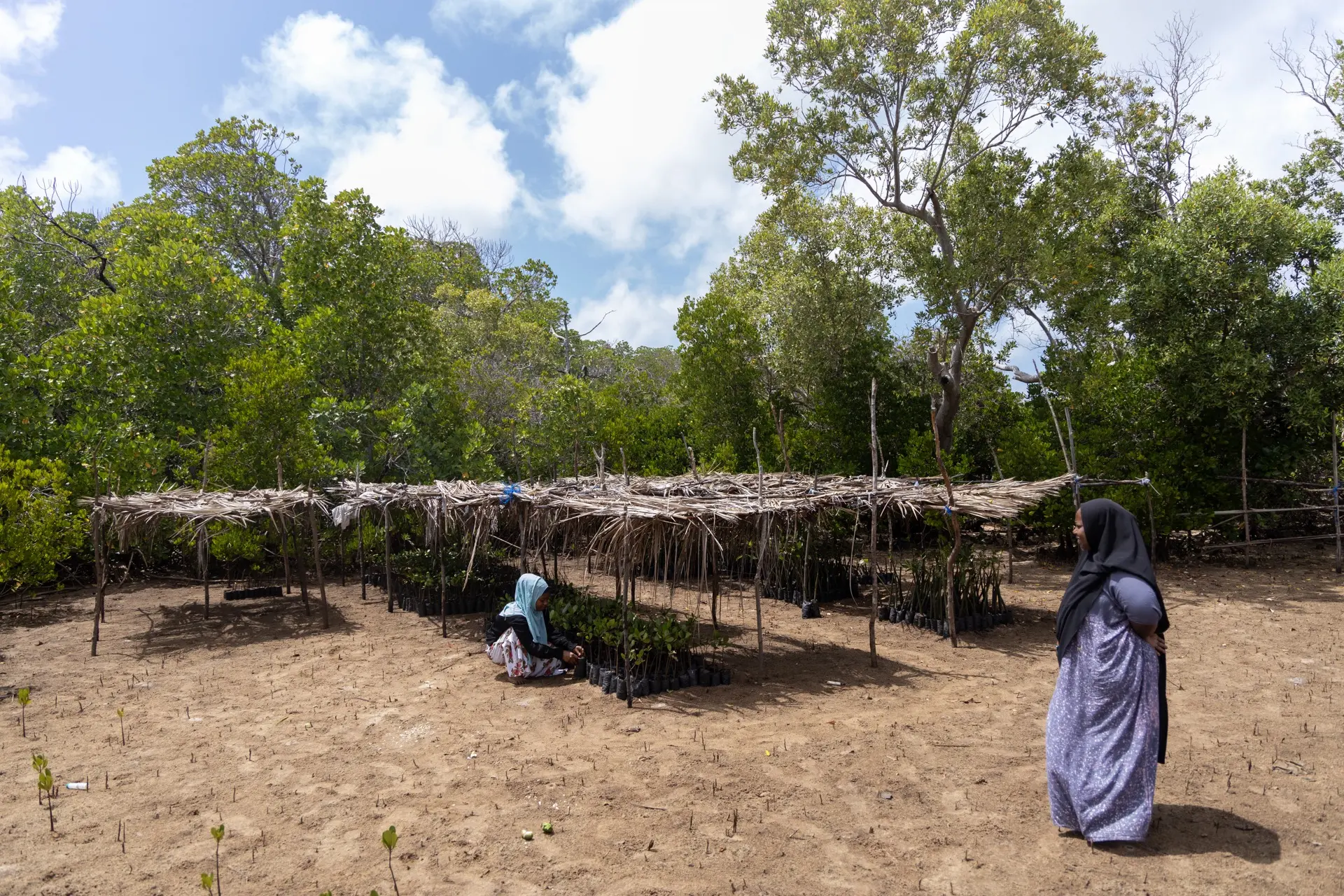


Long before globally-funded coastal protection became a standard feature of the Kenyan coastline, local women practised a subtle form of environmental custodianship. At low tide, they would gather dried palm leaves, weaving them together and laying them along vulnerable sections of the shoreline.
The leaves slowed the waves and trapped sand as the tide receded. Over time, sand accumulated between them, stabilizing fragile coastlines and protecting nearby homes, fishing areas, community pathways. What may appear to be a simple household activity was, in reality, a sophisticated form of coastal care developed through generations of lived experience with the sea. This maternal practice was not labelled as conservation, it wasn’t among a list of environmental policy outcomes. Rather, it was embedded in everyday life. There were no impact assessments, no project reports, and no donor-funded resilience programs attached to it. It was simply something women did as part of their daily interactions with the sea.
My first interaction with the Kenyan coastline lacked the intimacy of connection that heritage practitioners hold, yet it’s an extraordinary experience which I can never compare to anything else in the world. I vividly remember staring out at the massive water body as a tourist. I wasn’t concerned with the Ocean's management, but its beauty. My thoughts -like those of most visitors to this beach- were centered on marine life, the pleasure of swimming in the sea. As I reflected on the different experience local people had with their Ocean, I realised the vast difference. Heritage practitioners consider an Ocean as a cultural resource that needs protecting, not merely a feature to be enjoyed.
Reflecting on the difference in perspective made me question whether heritage management practices are sustainable?Traditionally, heritage practitioners will focus on how the community benefits from the Ocean, directly or indirectly and how they can better their livelihoods along Ocean use. However, these communities have been interacting with the Ocean for millennia. Long before formal conservation or external influence, the coastal traditional practices have provided a sustainable ecosystem between the communities and the Ocean without training or formal education on Ocean use. Understanding this captivated my interest in analysing the existing systems behind these coastal communities. I came to appreciate what scholars call “commonplace heritage”; everyday practices that can inform culturally grounded conservation strategies. These practices are deeply embedded in daily life, representing centuries of knowledge passed down through generations.
The language of modern conservation frequently eclipses an important reality: coastal ecosystems have long been sustained by forms of everyday environmental labour that rarely appear in official policy frameworks, and much of this labour has historically been performed by women.
Today, coastal conservation is framed differently. Across the world -and increasingly along African coastlines- governments and global organizations promote large-scale interventions under the banner of the Blue Economy; a development framework championed by organizations such as the United Nations and conservation bodies like the International Union for Conservation of Nature (IUCN). In this context, Oceans and shorelines are situated as ecological frontiers requiring sophisticated management, with initiatives presented as necessary responses to combating threats such as rising sea levels, overfishing, and pollution.
The language of modern conservation frequently eclipses an important reality: coastal ecosystems have long been sustained by forms of everyday environmental labour that rarely appear in official policy frameworks, and much of this labour has historically been performed by women. The activities they engage in from planting and harvesting seaweed to making beauty products from the seaweeds, buying fish and deep-frying that fish to sell in the market, allform part of the social and economic infrastructure that sustains coastal communities.
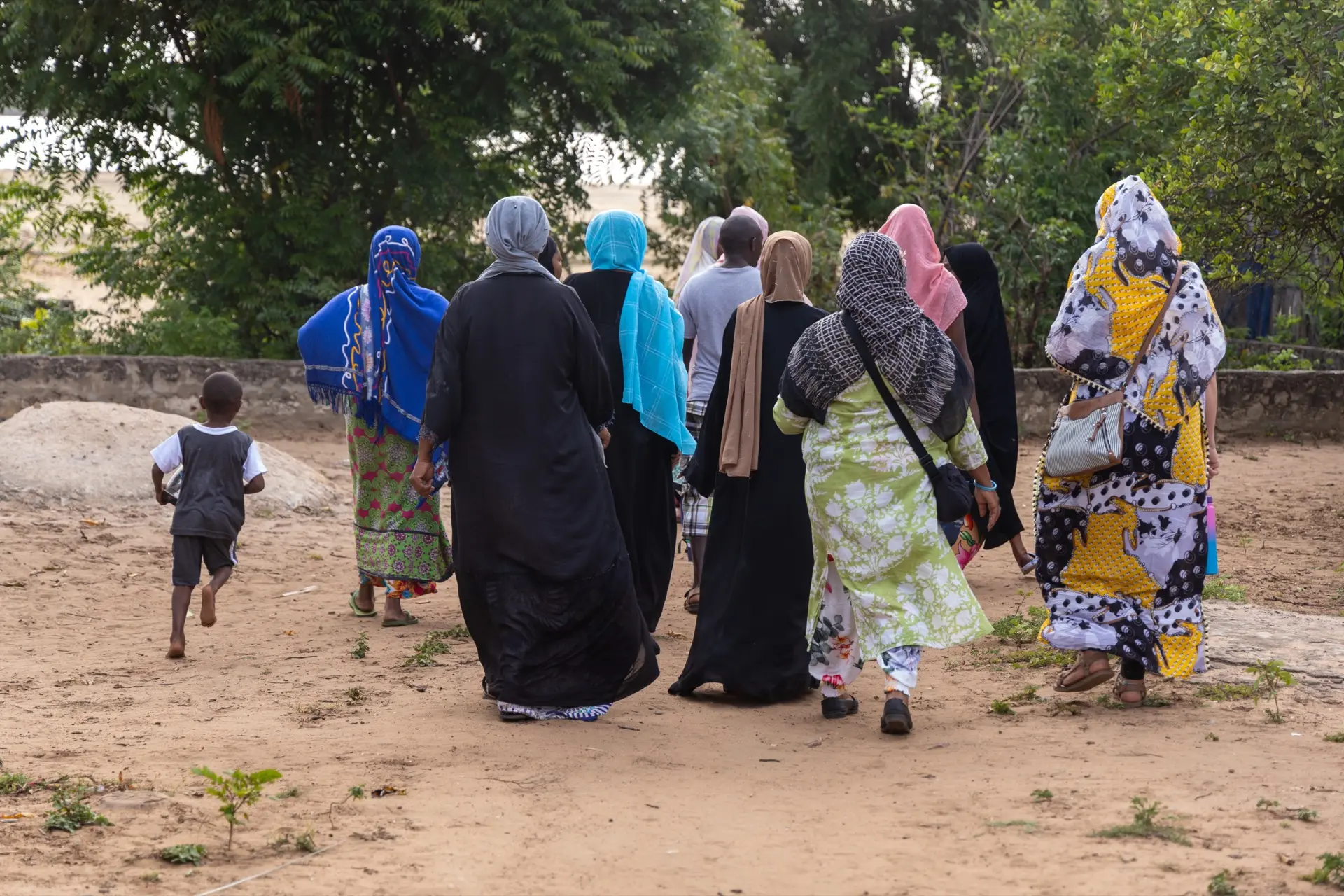
In Lamu, for example, women collect palm leaves and coconut husks to lay along the shores. This prevents strong waves from eroding the coastline and reduces carbon release into the Ocean that would otherwise increase acidification. These small-often unnoticed-cultural activities, embedded in household chores, have significant ecological impact, demonstrating the importance of everyday environmental labour.
When the tide retreats, women walk onto the exposed shore carrying palm leaves. They weave them together and press them into the sand, just as their mothers and grandmothers once did.
Exploring these practices also highlights the complexities of power dynamics within coastal communities. Gender plays a critical role in defining authority over Ocean use and conservation. Patriarchal structures often place men in decision-making positions at the household and community level, while religious and cultural norms can restrict women from “male spaces,” limiting their visible participation in Ocean governance. Yet, women remain central to the sustainability of the Ocean, making crucial decisions and performing labour behind the scenes. Their contributions, though less visible, are comparable to essential yet often unrecognized work in other sectors. Think of them as the invisible airport employees who make your travel possible, yet rarely receive the same recognition as the pilots or cabin crew.
Feminist urban theory and social reproduction theory help explain this dynamic. Both frameworks argue that economies and communities rely on informal labour that sustains daily life, social structures, and ecological resilience. In the context of the Ocean, these theories illuminate how conservation is not solely governed through formal policies, treaties, or programs, but also through the everyday practices of those who live closest to the sea. Women’s knowledge and labour, whether laying leaves along the shore, managing household interactions with the Ocean, or passing down cautionary advice to children, are integral to sustaining these ecosystems. As one interviewee recounted, “when my mother or grandmother tells me not to go to the Ocean today, I will blindly respect that.” Such practices, -though private and quotidian- demonstrate intergenerational stewardship and deeply embedded ecological knowledge. Through stories, warnings, and everyday instructions, Ocean literacy is quietly transmitted from one generation to the next.
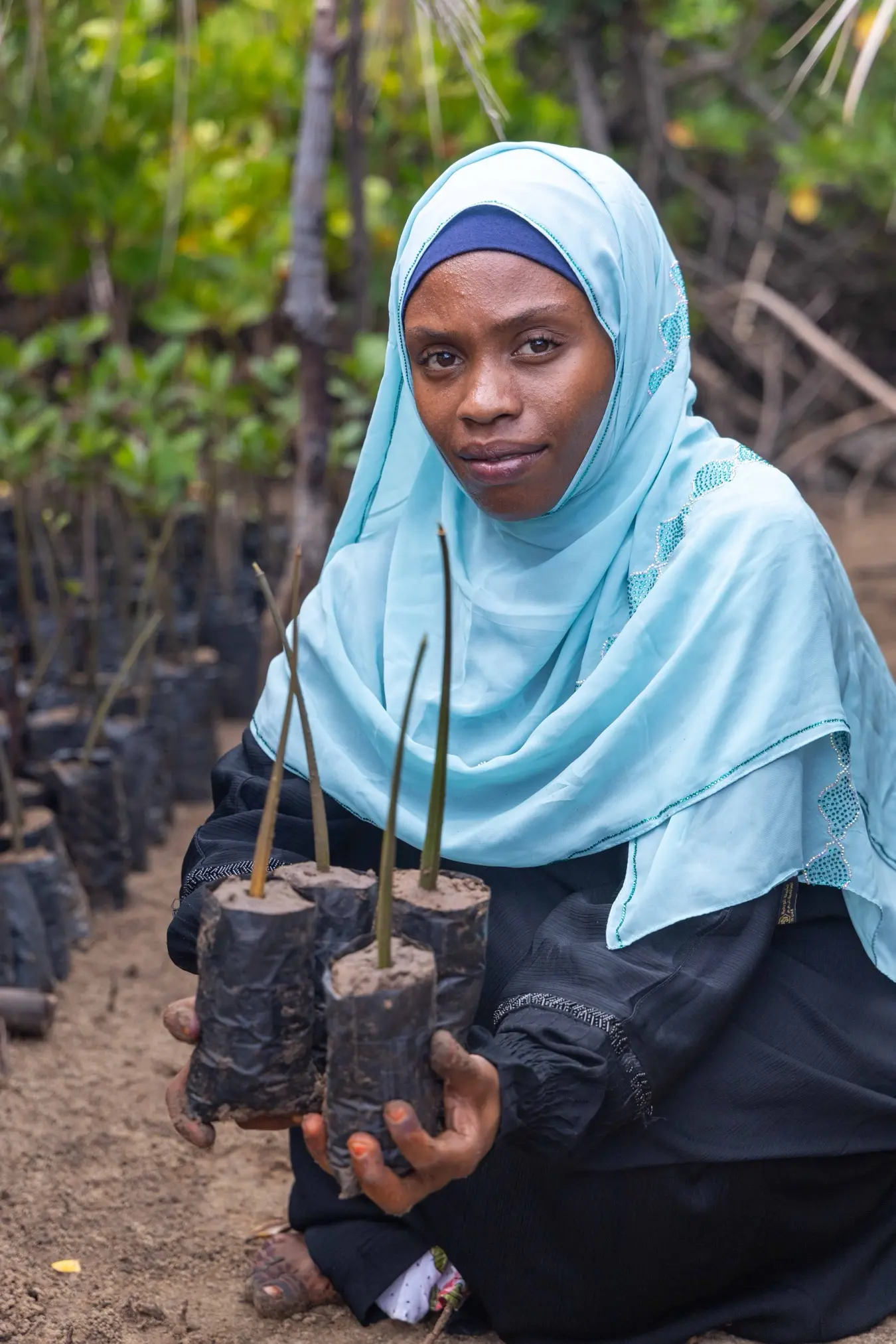
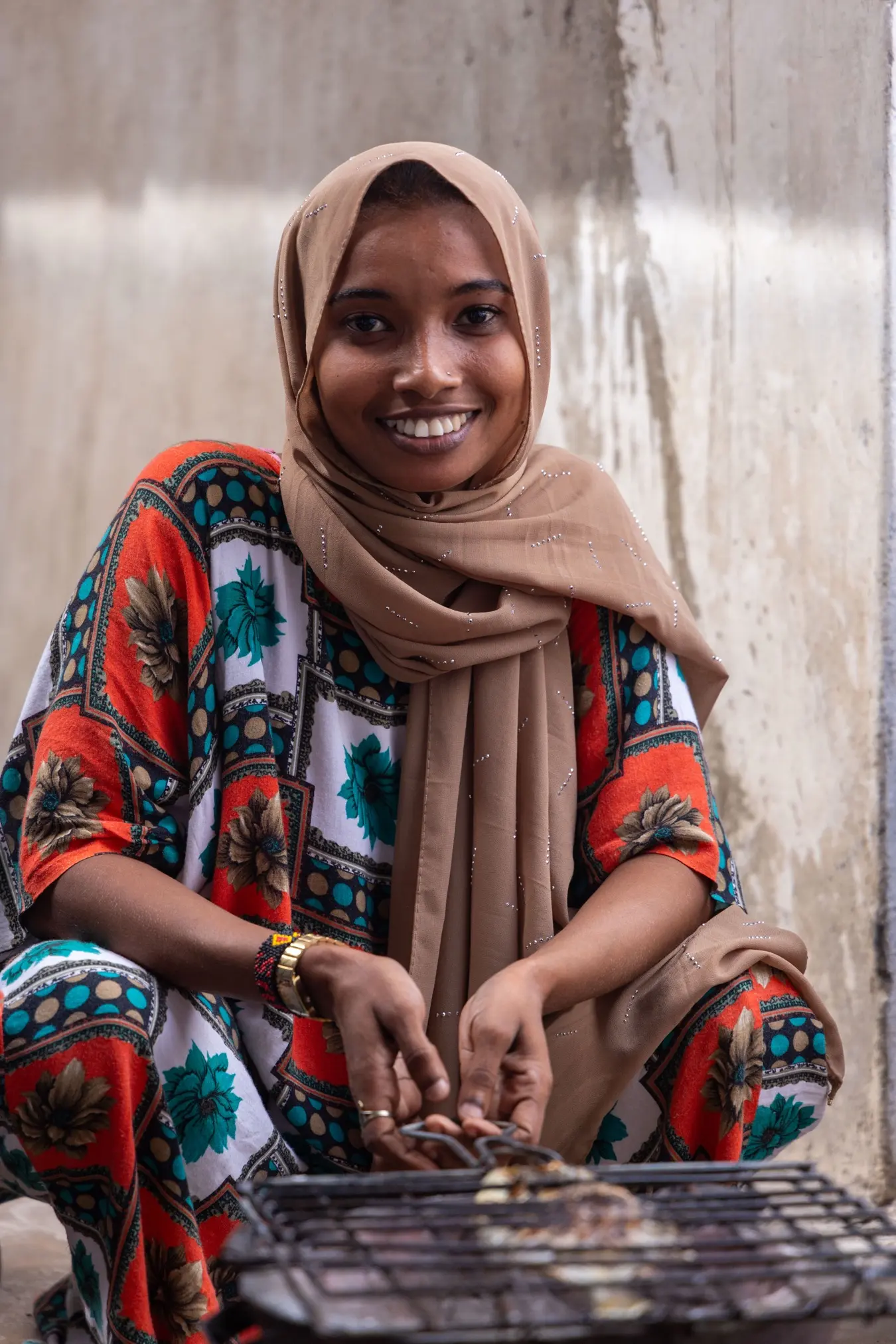
The broader question, therefore, is not merely how to protect the Ocean more effectively, but whose knowledge is counted when defining what protection looks like. Perhaps the question is also whether we are willing to recognize the forms of care that have always existed.
Throughout Kenya’s coast, conservation has long unfolded through the quiet rhythms of daily life. It appears in the steady work of coastal communities and in the knowledge passed between generations. When the tide retreats, women walk onto the exposed shore carrying palm leaves. They weave them together and press them into the sand, just as their mothers and grandmothers once did. The work may seem simple to an outsider, yet over time the shoreline holds its ground because of it.
Within these small acts lives a form of Ocean literacy that moves from one generation to the next. The knowledge is learned through observation, memory, and daily care for the sea.Long before the language of marine protection emerged, women along this coast were already strengthening the shoreline, one leaf, one tide, one generation at a time.