Indigenous Knowledge

Long before marine science, indigenous communities held sophisticated, place-based knowledge of ocean systems. These stories honour the traditions, practices, and ecological wisdom of peoples whose relationship with the sea spans generations. Listening to these voices is not an act of nostalgia; it is an act of intelligence.

All stories

The Tide Keepers

by
Volume
8
Mar 25th, 2026
Volume
8
March 25, 2026
Singing to the rhythm of the tides
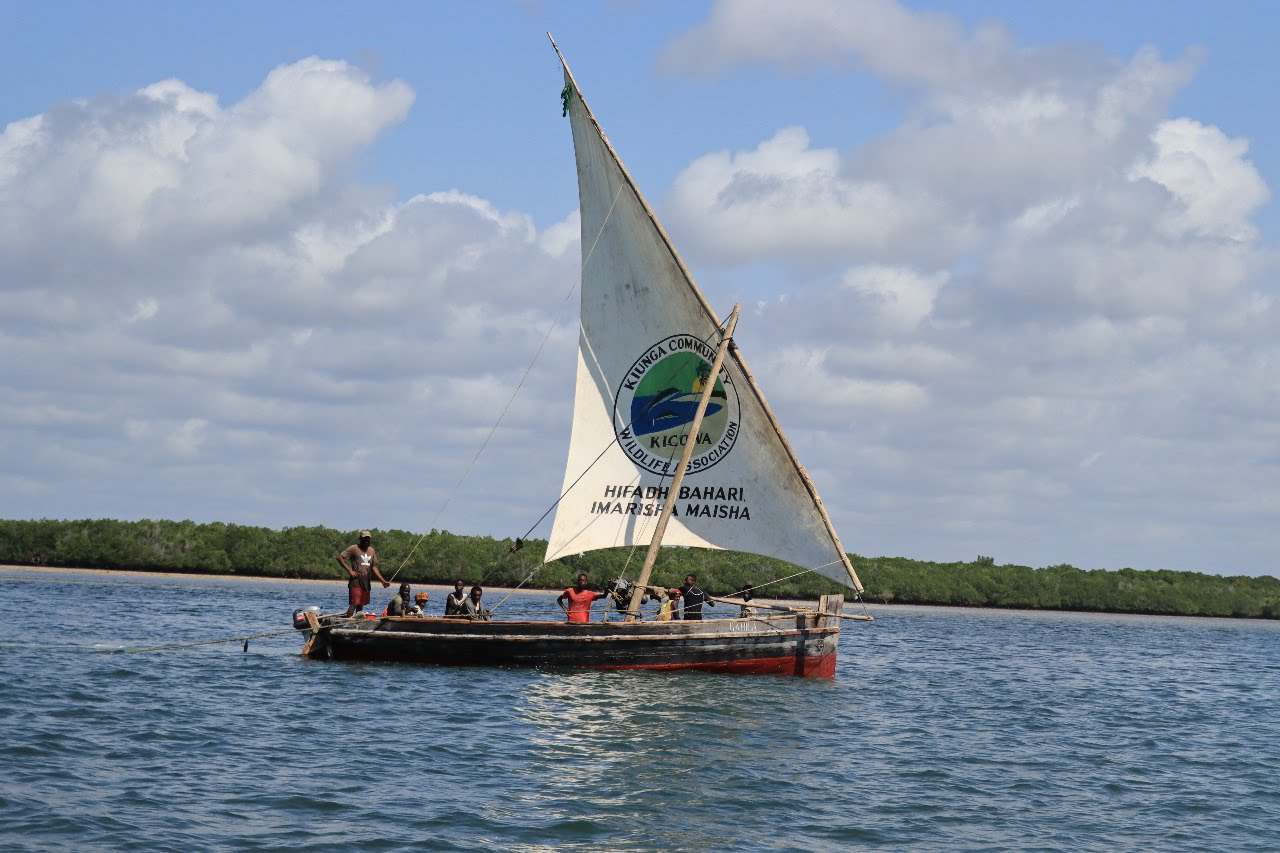
Along the coast where Kenya meets Somalia, a string of coral islands and mangrove-fringed channels marks the edge of an ancient world.

Malindi Bay through a Curatorial Lens

by
Volume
8
Mar 25th, 2026
Volume
8
March 25, 2026
Intersections of History and Environment
This piece explores the deep and layered histories of Malindi Bay, a place where land and sea have long shaped human life, movement, and exchange along the Swahili coast.

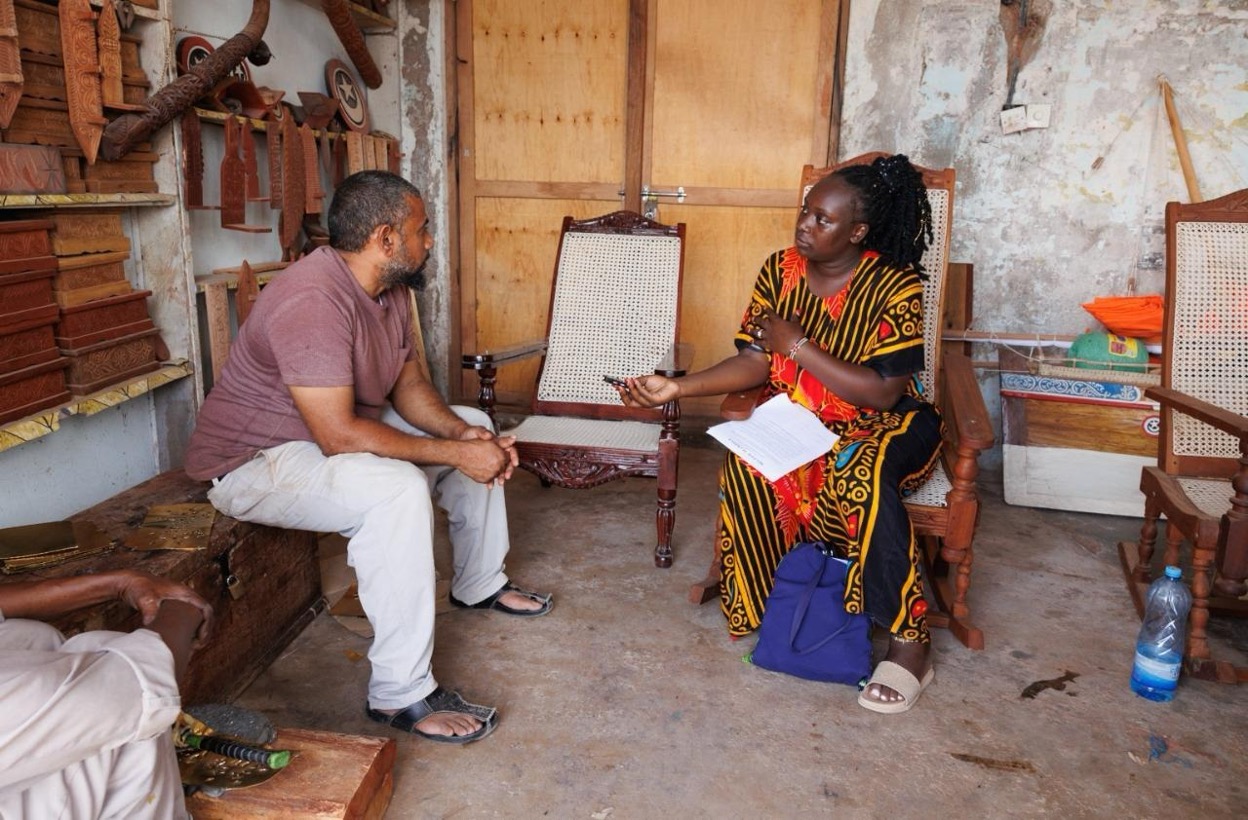
The Doors of Perception

by
Volume
8
Mar 25th, 2026
Volume
8
March 25, 2026
Carved Doors and the Indian Ocean Slave Trade
Across the stone towns of the East African coast stand carved wooden doors

Where the Ocean Feeds the Story

by
Volume
8
Mar 25th, 2026
Volume
8
March 25, 2026
Intangible Food Heritage and Ocean Literacy in Zanzibar
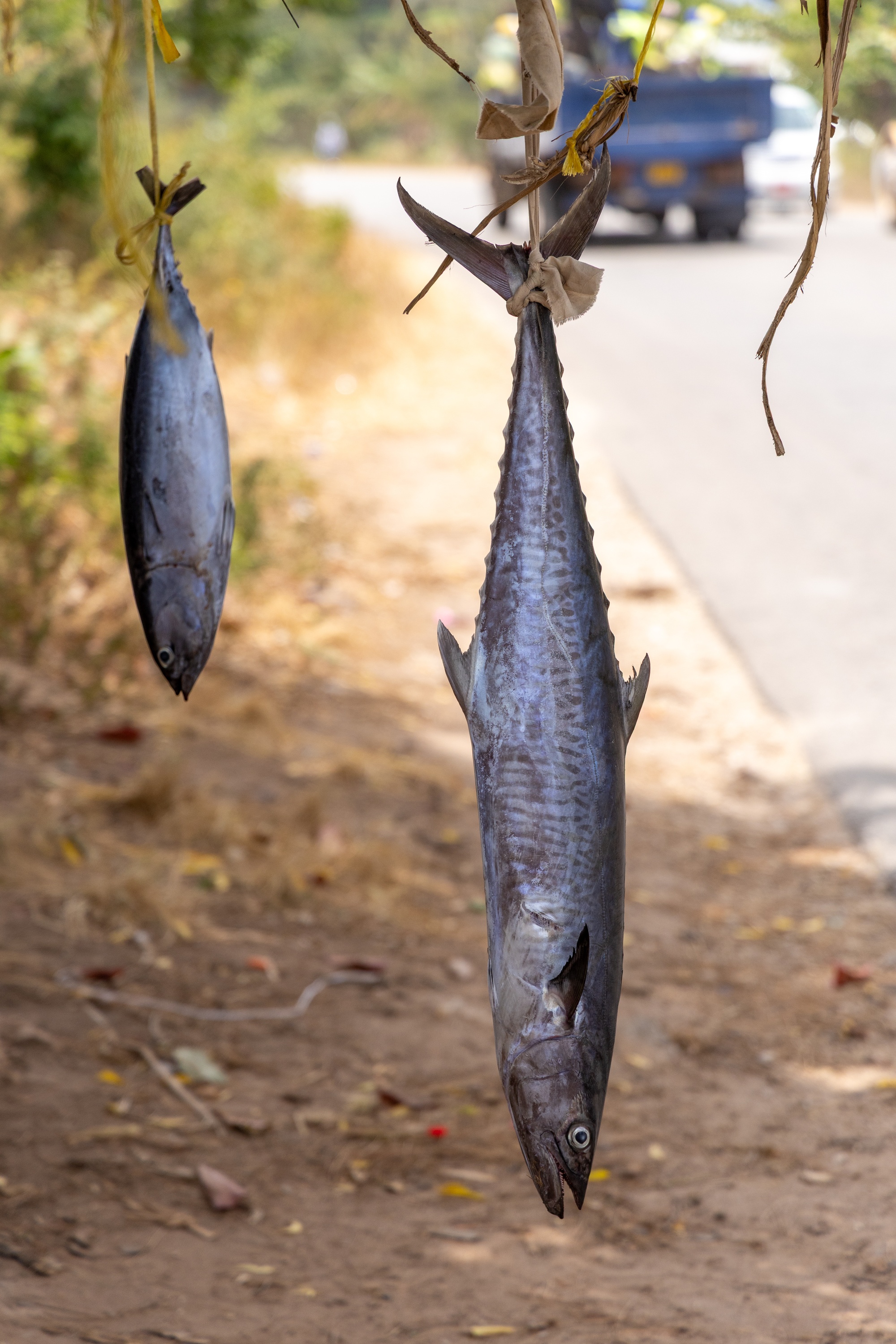
Along the Swahili coast, the ocean is never just water.

The Last Working Dhows

by
Volume
8
Mar 25th, 2026
Volume
8
March 25, 2026
What Lamu reveals about culture, labour and change
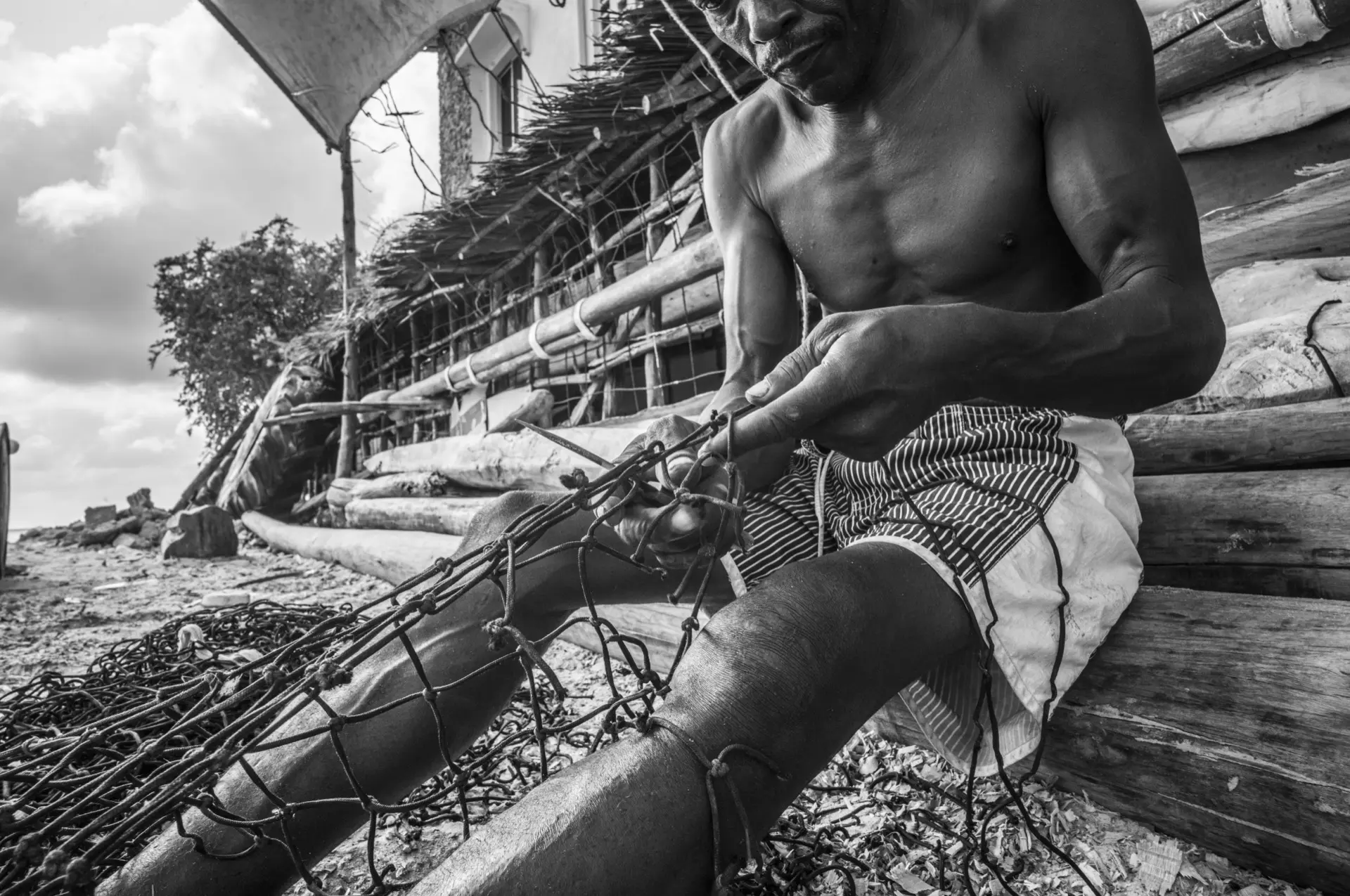
I first visited Lamu as a small boy in early 1972.

Currents of memory

by
Volume
8
Mar 25th, 2026
Volume
8
March 25, 2026
East African coastal lives in a warming Indian Ocean
At dawn, the East African shoreline is rarely still.

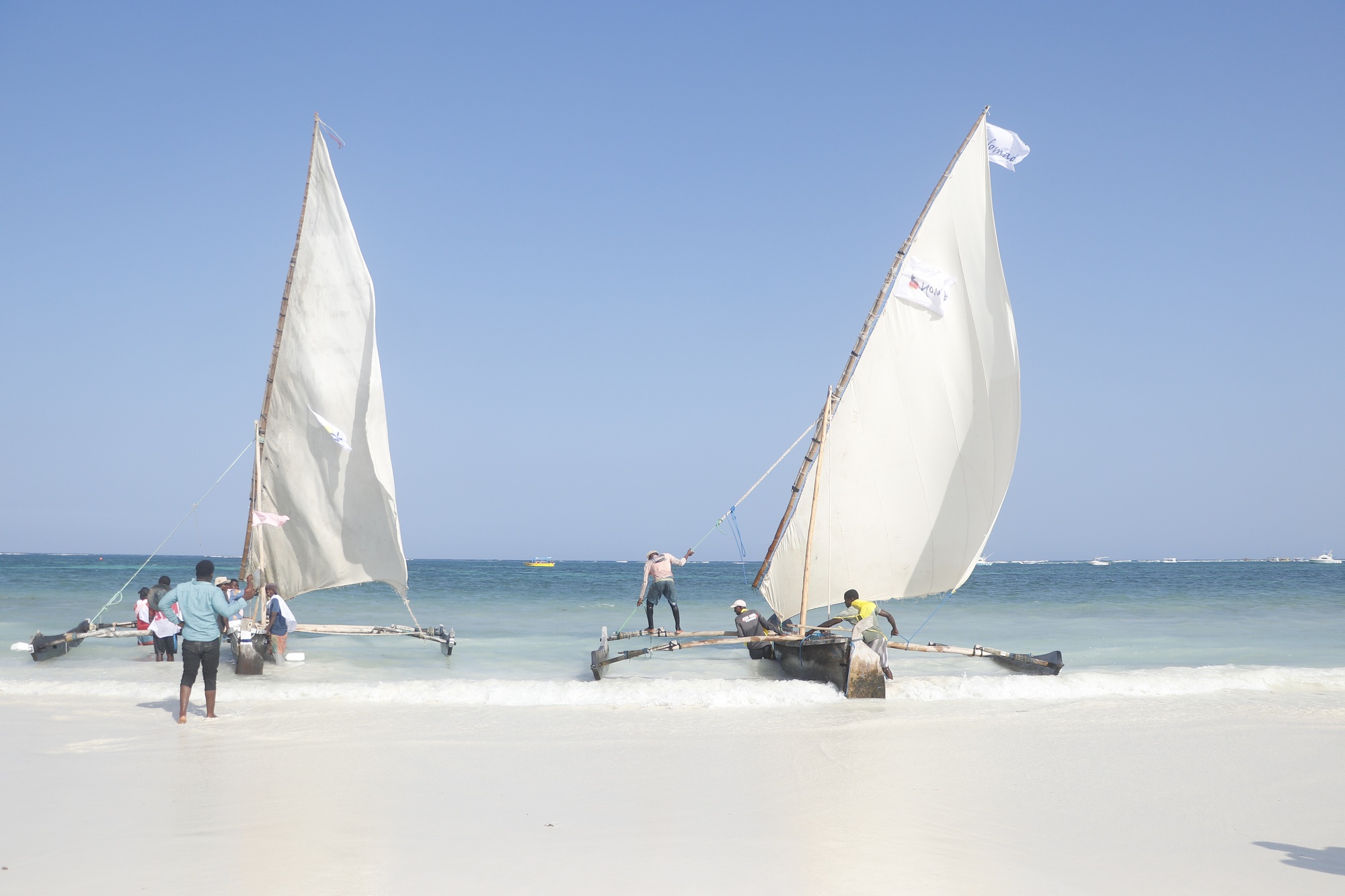
When the Ngalawas sail

by
Volume
8
Mar 25th, 2026
Volume
8
March 25, 2026
How a traditional boat racing festival is reviving Indigenous ocean knowledge for the future.
A beautiful scene of turquoise blue waters against clear skies on a hot Sunday morning along Diani Beach in Kenya.

Bahari Yetu: a song that carries the Swahili Coast

by
Volume
8
Mar 25th, 2026
Volume
8
March 25, 2026
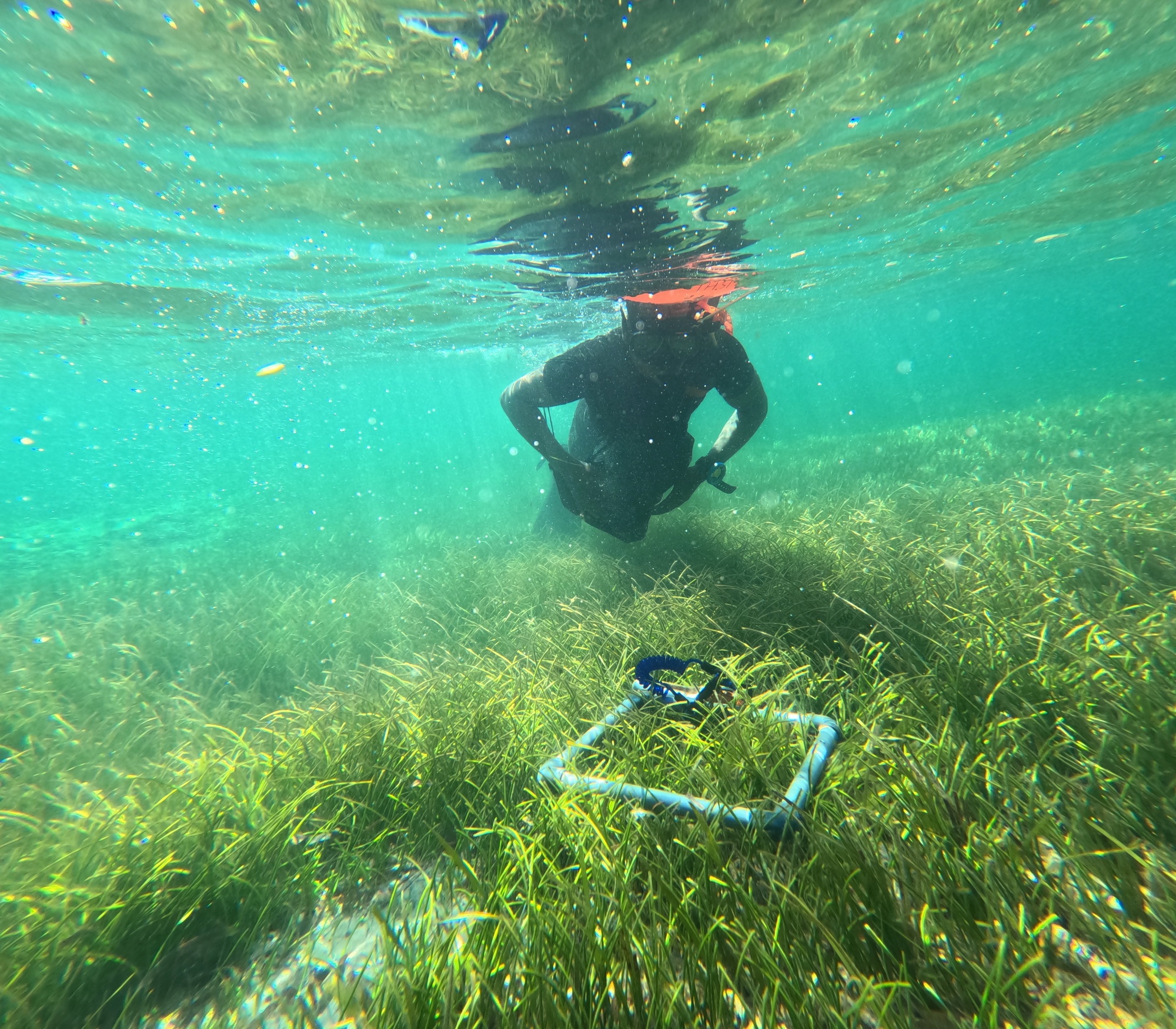
Using Popular Music for Ocean Literacy on the Swahili Coast
The water is shallow here, clear enough to see sea grass shifting beneath the surface.

The keepers of the salt: A daughter's song for Lamu

by
Volume
8
Mar 25th, 2026
Volume
8
March 25, 2026

Whose Knowledge Counts?

by
Volume
8
Mar 25th, 2026
Volume
8
March 25, 2026
Ethnographic Insights from Lamu Archipelago on Deciphering Ocean Heritage
The ocean is not silent.

The Shorekeepers

by
Volume
8
Mar 25th, 2026
Volume
8
March 25, 2026
Women, Memory, and Ocean Knowledge in Coastal Kenya
Long before seawalls were constructed and global funding became a standard feature of shoreline protection, women along the Kenyan coast practiced a sophisticated form of shoreline management.

Ossunculo

by
Volume
8
Mar 25th, 2026
Volume
8
March 25, 2026
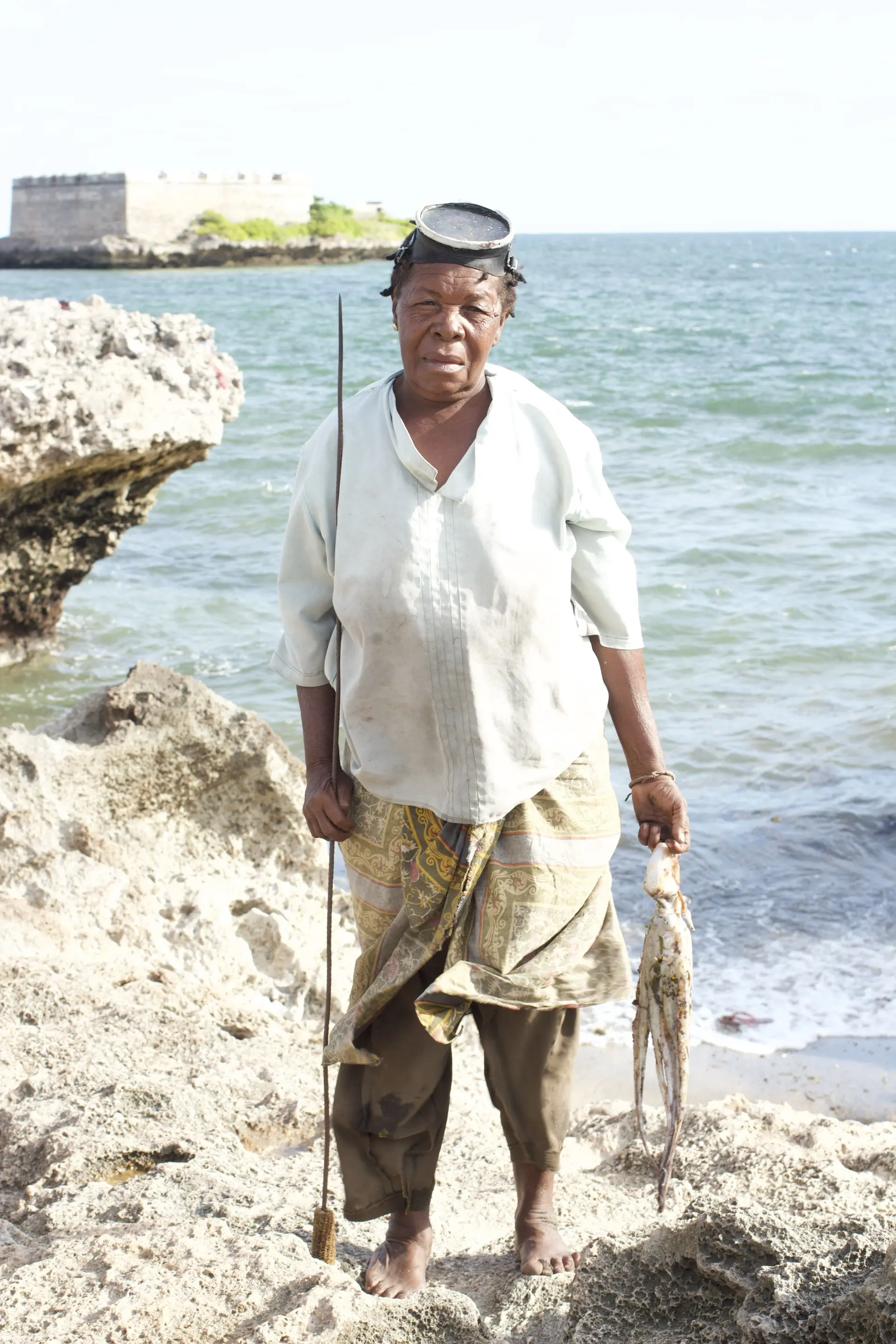
Mothers of the sea in Mozambique Island
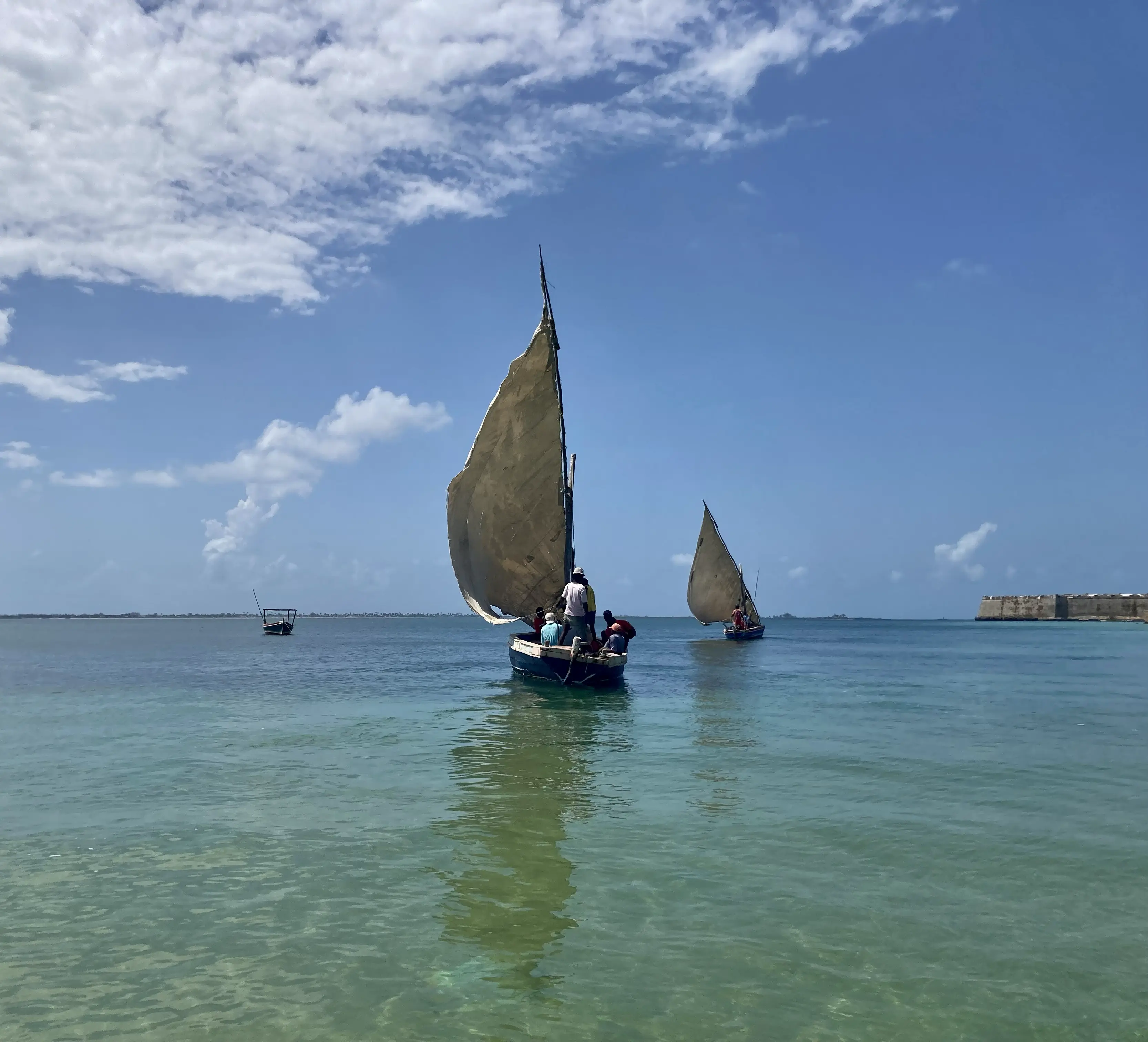
In the still-dark dawn on Mozambique Island, Fátima Celestino rises before the sun. At 68 years old, she has lived by the sea since childhood.

Muthianas: the invisible daughters of the sea

by
Volume
8
Mar 25th, 2026
Volume
8
March 25, 2026
At low tide, the reef appears before the boats.

Moving oars in unison

by
Volume
8
Mar 25th, 2026
Volume
8
March 25, 2026
Protecting the Western Indian Ocean's seagrass
Chombo hakiendi ikiwa kila mtu anapiga makasia yake—a boat does not move forward if everyone is rowing in their own way.
Thanks to the Ocean, we survive.

Thanks to the Ocean, We Survive: Rapa Nui’s Fight to Protect Pacific Waters

by
Volume
6
Mar 7th, 2025
Volume
6
March 7, 2025
On one of the world's most isolated islands, Rapa Nui communities safeguard culture and livelihoods through marine conservation.
I live on the most isolated inhabited island in the world.
The people of the ice

People of the Ice: Sealskins and Stories from Nunatsiavut

by
Volume
6
Mar 7th, 2025
Volume
6
March 7, 2025
"To the Inuit the ocean is literally who we are," explains Inuit researcher Jacqueline Winters
There’s something about Jacqueline Winters that stuck with me.
Tekoi el ua Iuul: teaching and learning in Palau

Tekoi el ua Iuul: teaching and learning in Palau

by
Volume
6
Mar 7th, 2025
Volume
6
March 7, 2025
Like the waves of the ocean, all knowledge comes in different sizes and shapes, but never does one wave overcome another
After a long week of school, students from high schools across Palau pack overnight bags and gather at a local meeting spot in town.
Fishers as stewards: generations of wisdom in Spanish and Scottish harbourside communities

The Sea’s Keepers

by
Volume
3
Feb 29th, 2024
Volume
3
February 29, 2024
Wisdom From Two Harbours
“The sea is the most important thing, it’s part of my life, it’s everything... it is a vital cycle in our area and part of our identity”, says Federico* a fisher in Lira, Galicia, the northwest corner of Spain where the Atlantic’s wrath is formidable, the air pure, and forested mountains dotted with terracotta-roofed pueblos (towns) and Romanesque churches dip into the sea.
The Tse-whit-zen disaster: one incomplete dock, millions of dollars, and hundreds of disrupted burial sites

The Cost of Greed

by
Volume
2
Feb 28th, 2024
Volume
2
February 28, 2024
The Pacific Northwest, encompassing the U.S. states of Washington, Oregon, Idaho and the Canadian province of British Columbia, are rich with indigenous history and archaeological sites that can give the public a glimpse into the past, but more importantly, make up a part of indigenous identity and culture in the present.
To speak as we are one: building relationships in marine conservation

How Relationship-Led Practice Is Redefining Conservation

by
Volume
1
Nov 29th, 2023
Volume
1
November 29, 2023
Hear from indigenous activist Ate Emma Segarino and conservationist Clint Bryan Gallaron on the power community in conservation.
Part One: Clint's Call.
Voices of the Vezo: community-led filmmaking in Madagascar

Voices of the Vezo

by
Volume
2
Nov 28th, 2023
Volume
2
November 28, 2023
Along the turquoise waters of southwest Madagascar live the Vezo, a people whose livelihoods and culture have been intricately connected to the ocean since their arrival in Madagascar some 2,000 years ago.