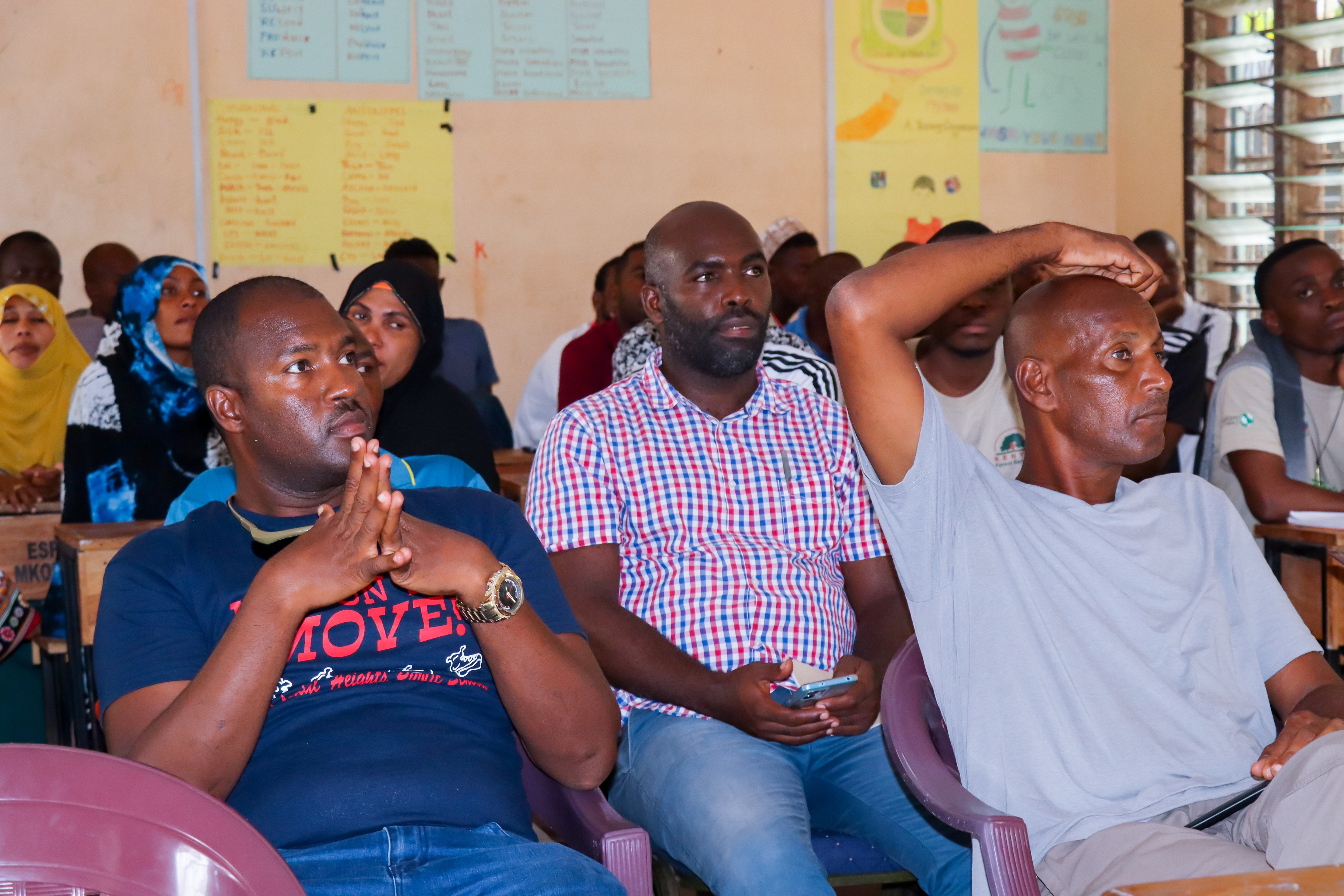

This article was developed in collaboration with community members from Kizingitini and Lamu, who reviewed and approved the representation of their cultural heritage.
Today, approximately 90,000 Bajuni reside in Kenya, while conflict has reduced their Somalia population to between 3,000 and 10,000. Yet across this diaspora, the ocean remains a common home.
The Bajuni trace ancestry to diverse groups: coastal Bantu peoples who include the Mijikenda, Taveta, Bajun, Malakote, Pokomo, Taita, and the Swahili, Arab and Persian traders and seafarers who reached these shores through vast Indian Ocean networks. Clan names reveal this hybrid heritage, some distinctly Bantu, others of southern Somali origin, reflecting generations of interaction and intermarriage.
While sharing cultural threads with broader Swahili civilization, the Bajuni maintain a distinct identity. They speak Kibajuni, a northern Swahili dialect that sharply marks ethnic boundaries. In Somalia's patrilineal clan structure, language determines social standing. Because Bajuni are not considered "real" Somalis, they have faced generations of marginalization, a dynamic that intensified during the civil war when many fled to Kenya as refugees.
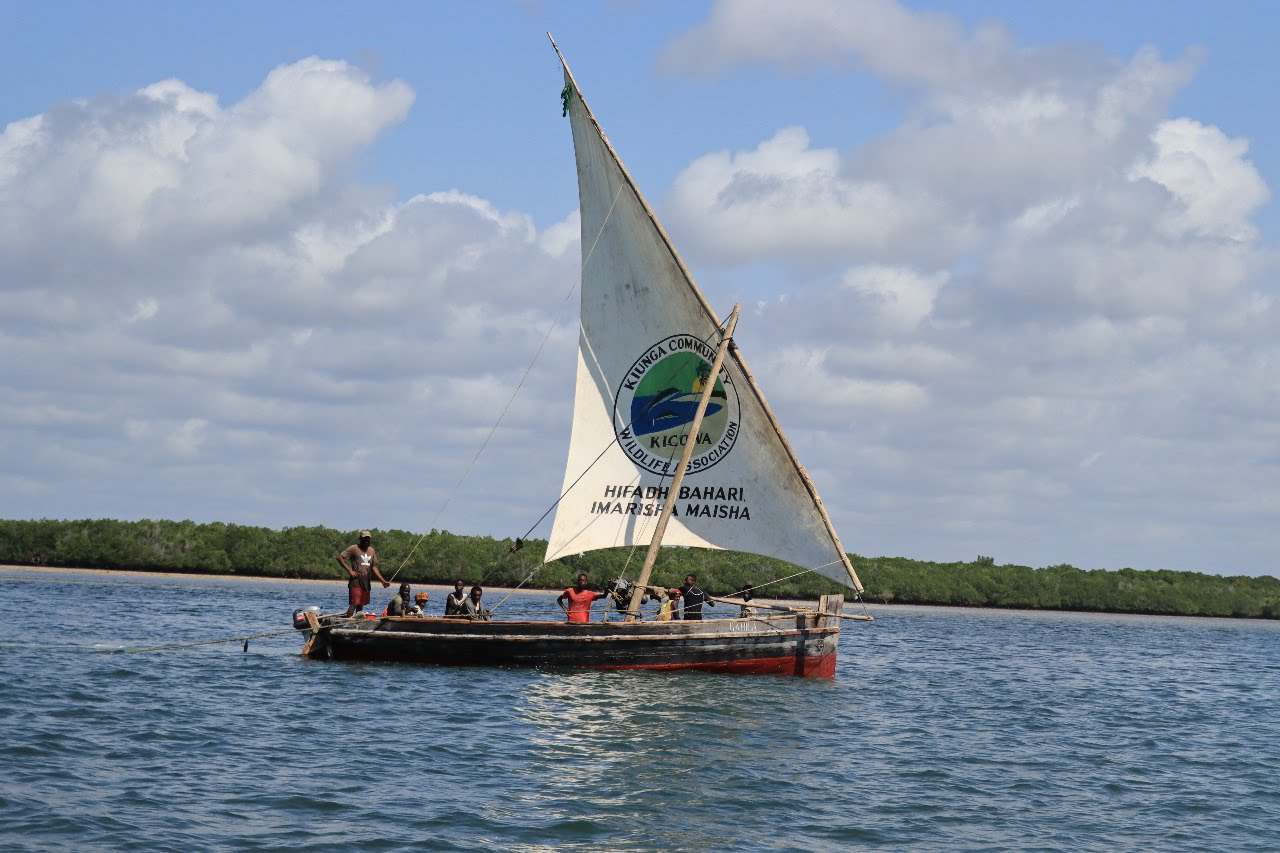
To understand the Bajuni is to understand the ocean. Fishing, marine trade, and shipbuilding form the traditional pillars of their economy where dhows are primarily used. A dhow, is the generic name of a number of traditional sailing vessels with one or more masts with settee or sometimes lateen sails (a triangular sail on a long yard at an angle of 45° to the mast), used in the Red Sea and Indian Ocean region. They typically sport long thin hulls and are primarily fishing and trading vessels. Men use dhows between islands and the mainland, with their knowledge of currents, winds, and fishing grounds passed across generations.
Kimayi
The coastal Bantus tend to use Kimayi, Mashairi, Vave and Randa, which are songs and poems performed during different cultural events. Kimayi, the songs of fisherfolk, echo this maritime existence. These songs are not mere entertainment, but oral texts encoding generations of observation. These songs were primarily collected from Kizingitini, an island town in Bajuniland. Kimayi songs were collected mainly through oral tradition and field research. These songs were passed down by elders and performers during cultural activities such as fishing, weddings, and religious gatherings. Researchers later visited coastal areas like Lamu and Kiunga to record performances and interview community members. The songs were documented in the Kibajuni dialect, then transcribed and translated into Swahili or English. Overall, the collection process combined oral transmission, audio recording, and cultural analysis to ensure the songs and their meanings were preserved.
These songs were traditionally performed at sea during specific moments: when a fisherman was lost at sea or when a fisherman's wife labored in childbirth. The sea permeates every aspect of existence, its rhythm marking time itself and guiding the stories preserved in the Kimayi. The lyrics speak of dangers and journeys, of boats returning to shore, of the mchondoo tree whose wood floats knowledge essential to seafarers. One song captures the connection between village and sea:
"Huu mame unambidhie kalale, kenda kalala ngomani
Asubuhi kiamuka, ha mai yatele nyangwani"
English Translation
"This mother, tell her to sleep, go sleep at the festival grounds
When morning comes, the water flows to the harbor"
The imagery captures how village and sea exist in constant conversation, whereas the harbor receives waters, that same water connects island communities to the wider world.
Beyond the well-known mashairi, also known as poems, shared with the wider Swahili coast, the Bajuni preserve the unique Vave, Randa and Kimayi genres sung by women, farmers, and the maritime respectively. Each encodes knowledge, history, and spirituality.
Vave songs are performed in women-centered settings such as weddings, domestic gatherings, and storytelling sessions. They focus on social and moral teachings, emotional expression, and the roles of women, while preserving cultural values through symbolism and poetic language.
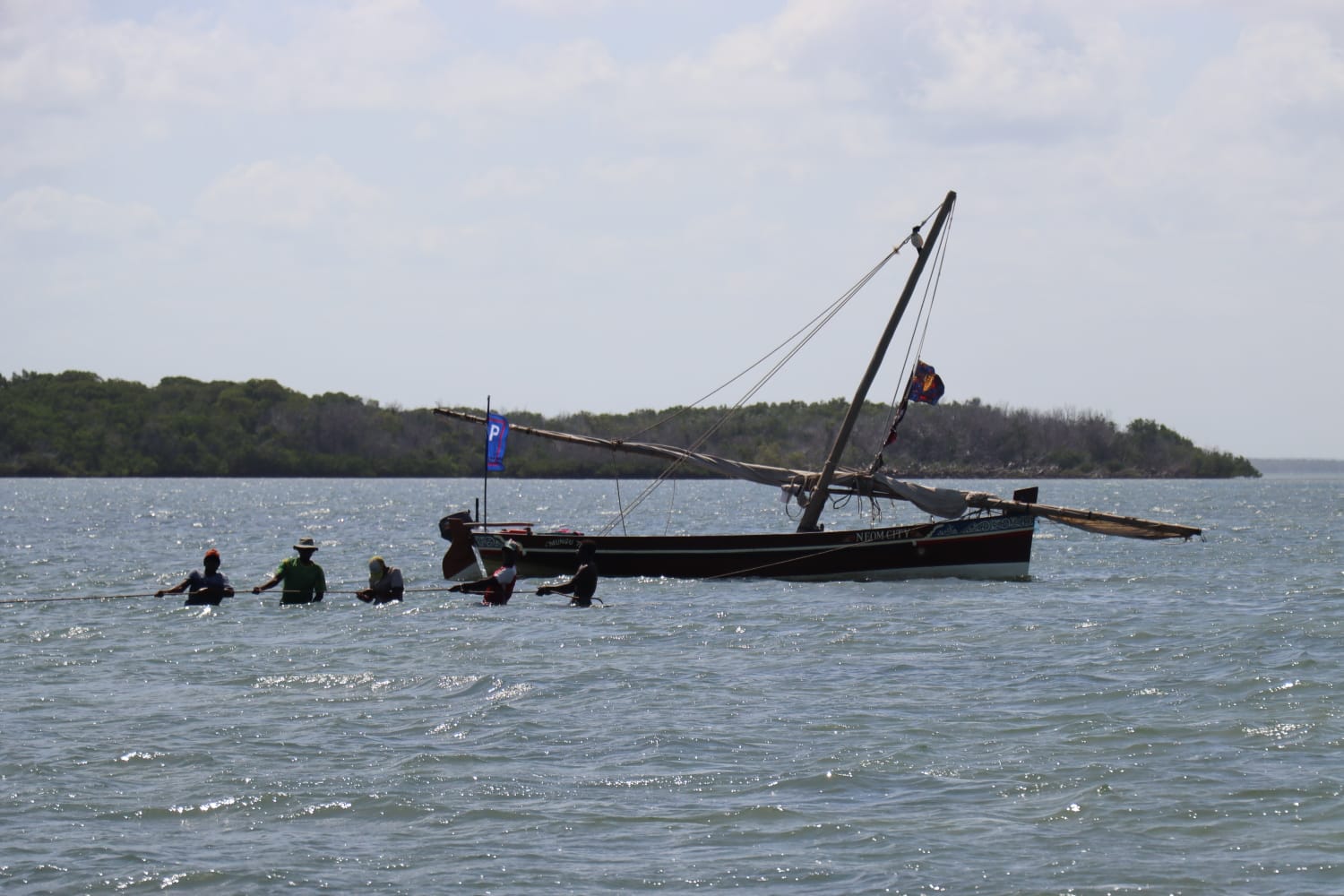
Randa songs, on the other hand, are performed during communal work activities. They help coordinate labor, promote unity, and reflect everyday experiences, often incorporating humor and social commentary. While ostensibly about agriculture, these performances function as ancient religious rites centered on ancestral worship. Before burning fields, Bajuni farmers sing to remember the dead and to seek blessings from those who came before. The songs connect soil and spirit, the living and the ancestors.
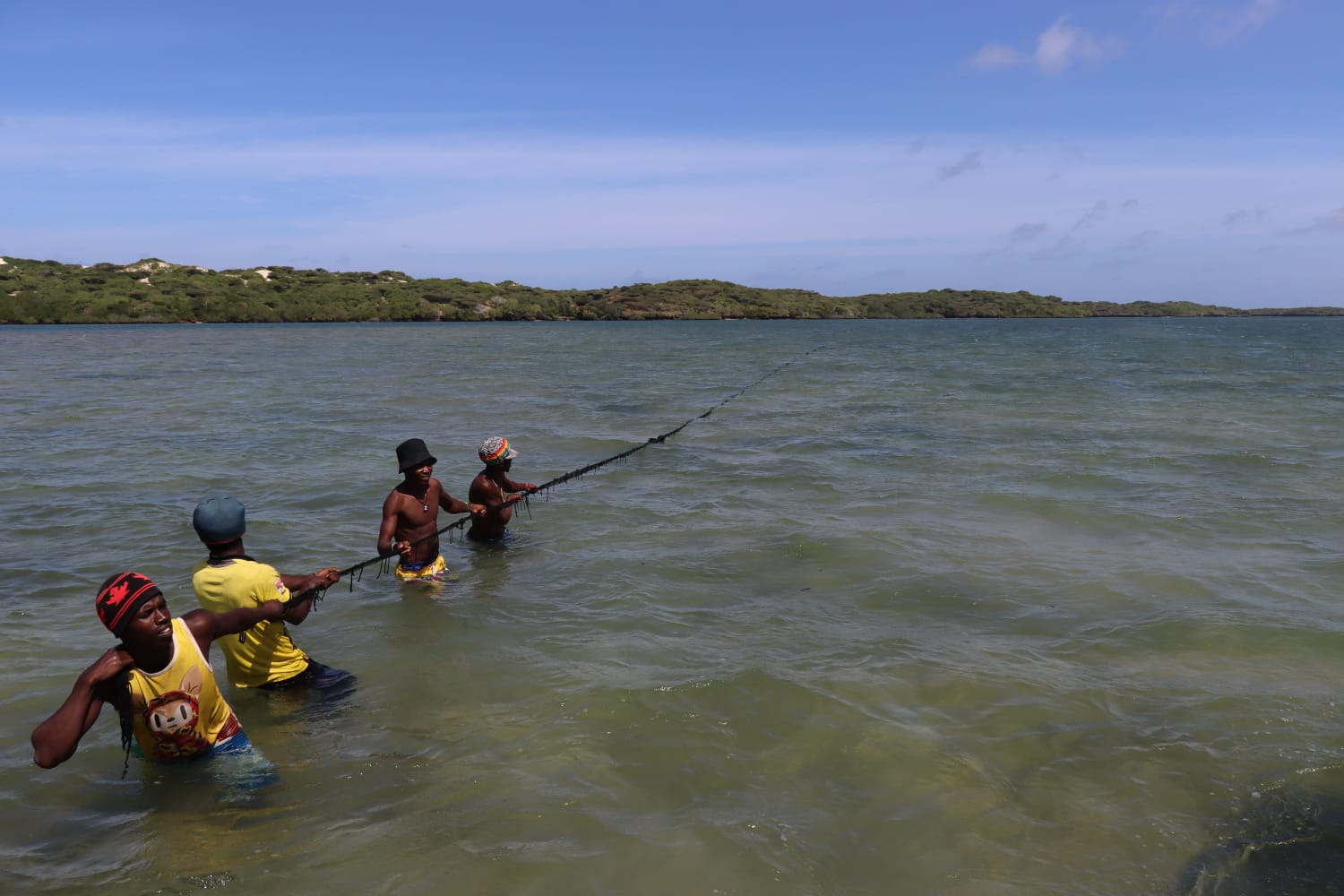
Traditional Bajuni life centers on the sea's resources. Fishermen use artisanal methods refined over centuries, techniques that sustain both livelihoods and marine ecosystems. In Lamu today, Bajuni fishermen form the backbone of the local fishing industry, their expertise is irreplaceable, but they are facing mounting pressures: Marine protected areas have restricted traditional fishing grounds, industrial fishing fleets compete for dwindling stocks, and climate change alters fish migration patterns that Bajuni navigators read like text. As one community member notes, while fishing provides employment, being a fisherman is an identity and holds a value beyond the sustenance and income it provides. The Bajuni stand at a crossroads whil industrial fishing and climate change threaten marine ecosystems sustaining their livelihood.

Organizations now work with Bajuni fishermen in Lamu, recognizing that preserving fishing cultures matters as much as conserving environments. Traceability programs like Kumbatia Seafood connect consumers to harvesters, acknowledging that behind every fish lies a community with history, knowledge, and rights. Supporting organizations like Kenya Wildlife Service, The Nature Conservancy, The Northern Rangeland Trust, Fauna and Flora among others who work with Bajuni fishermen to maintain traditional fishing practices is paramount to preserving their livelihoods. We can all seek out and amplify Bajuni voices telling their own stories and recognize that Ocean Literacy must include the traditional knowledge communities have carried for centuries.
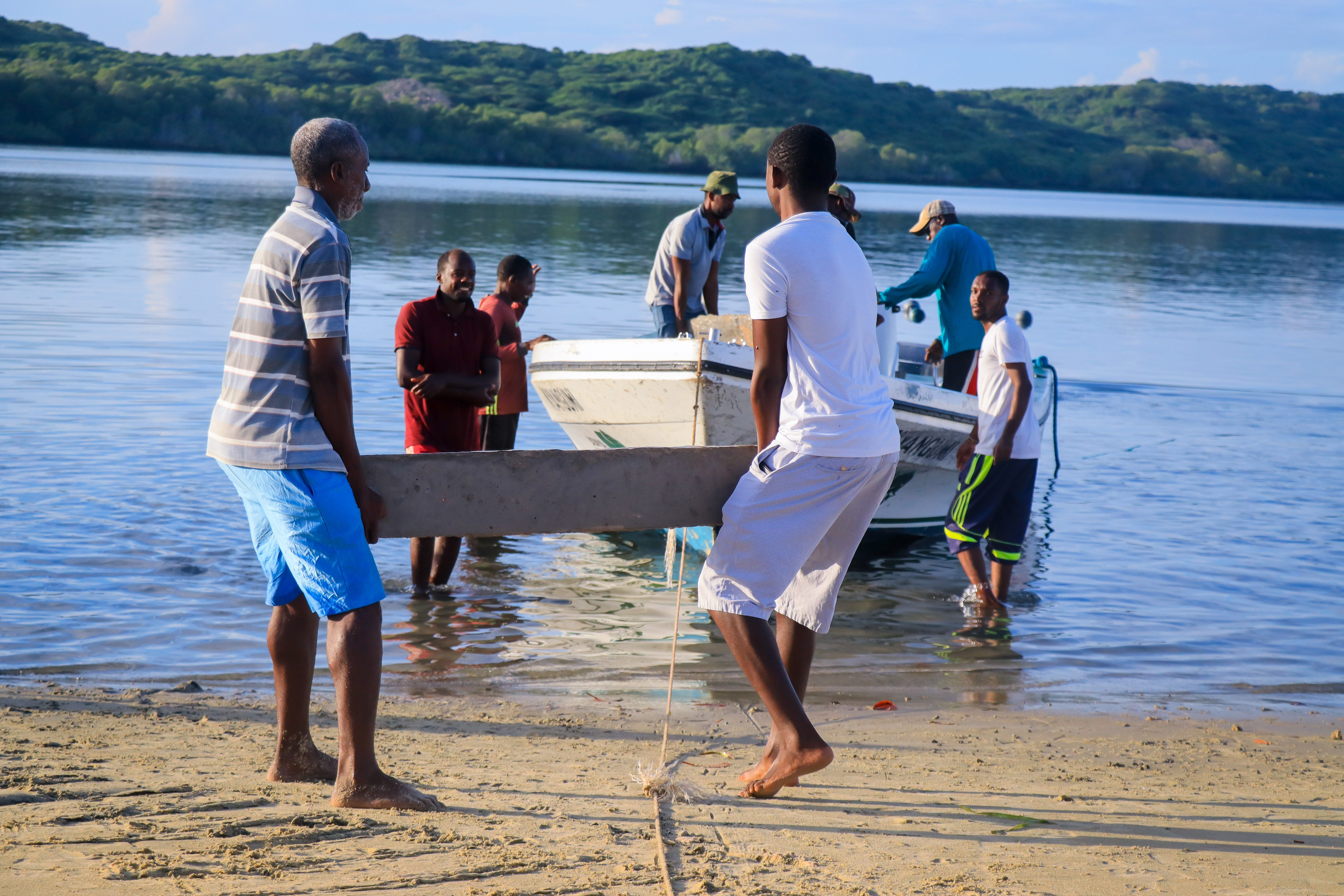
For the Bajuni, the Ocean is not merely a resource but a relative, an intimate presence woven into kinship and identity; not a commodity to be extracted, but a living context that shapes meaning, memory, and belonging. It carries their history in its tides, their songs in its rhythms, and their identity in its depths. As one Kimayi song reminds us:
"Kwimba ndilo jadi letu, vana varere Hasani
Wimbo na urore ngoma, vatedhi vai ngomani"
English Translation
"Singing is our heritage, children raised by Hasani
Song and beautiful dance, they prepare them at the festival grounds"
The singing of the Bajuni continues, as it has for the past hundreds of years. As the tides keep returning, the Bajuni remain keepers of the coast, children of the Indian Ocean, and storytellers of the sea.